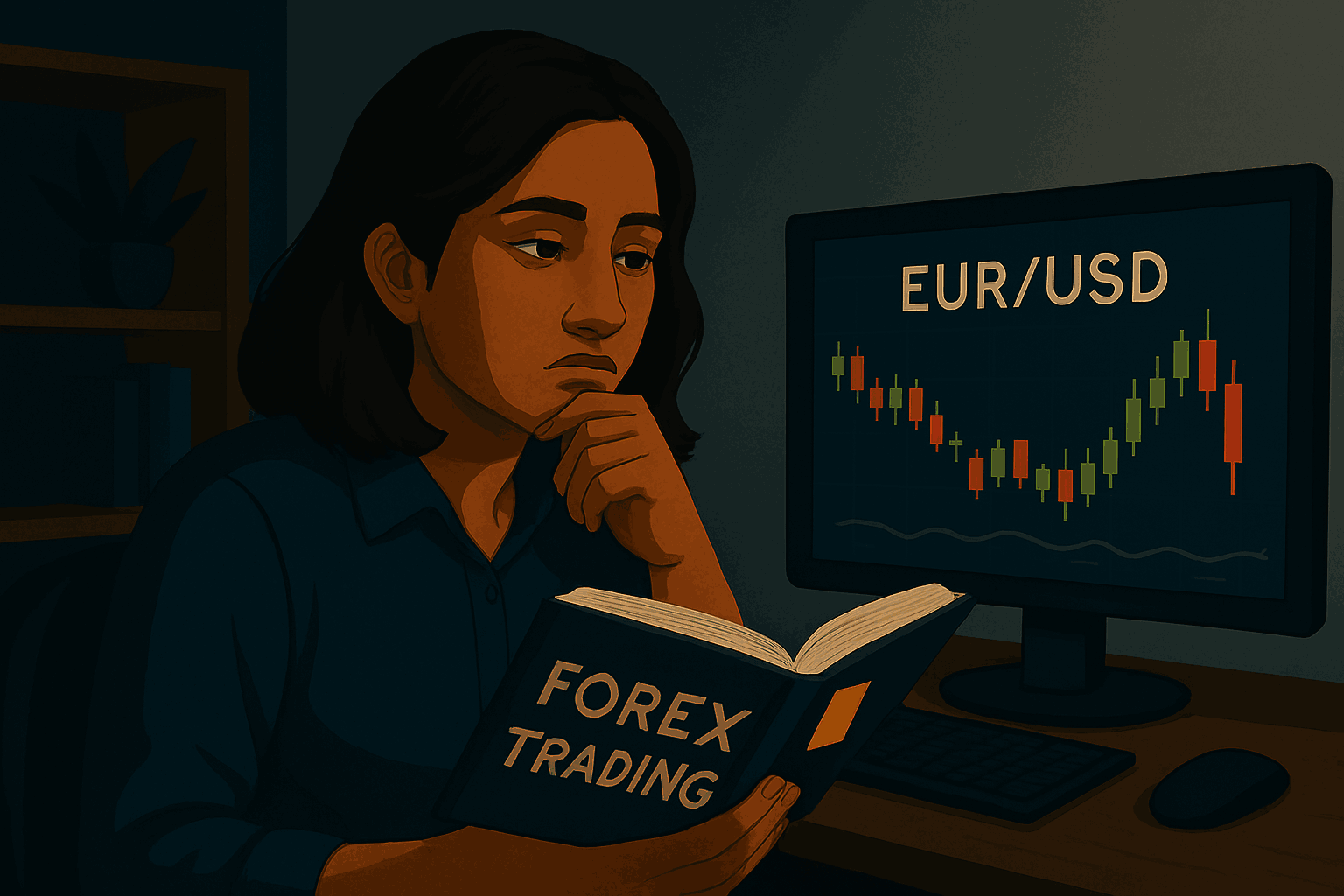
Not every trade will be a winner and that’s okay.
But what truly separates average traders from great ones is how they apply the lessons from a failed trade to improve.
In this article, we’ll walk through a failed forex trade step-by-step, uncover what went wrong, and explore what it taught us. It’s not about the loss it’s about the lesson.
The Setup: EUR/USD at Support Zone
Let’s set the scene:
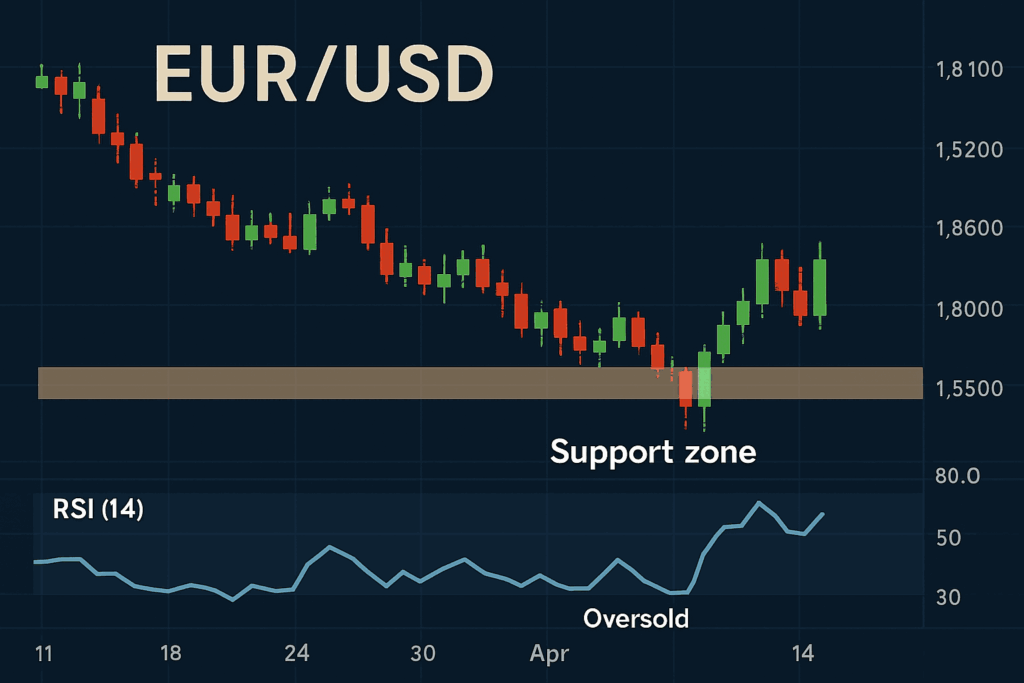
A trader (let’s call her Priya) had been watching EUR/USD bounce between a strong support and resistance range. She spotted price nearing a long-tested support zone on the 1-hour chart.
Here was the logic:
- Support held multiple times in the past
- A bullish engulfing candle had just formed
- RSI was oversold
It looked like the perfect buy-the-bounce opportunity.
She entered long.
The Mistake: Ignoring Context
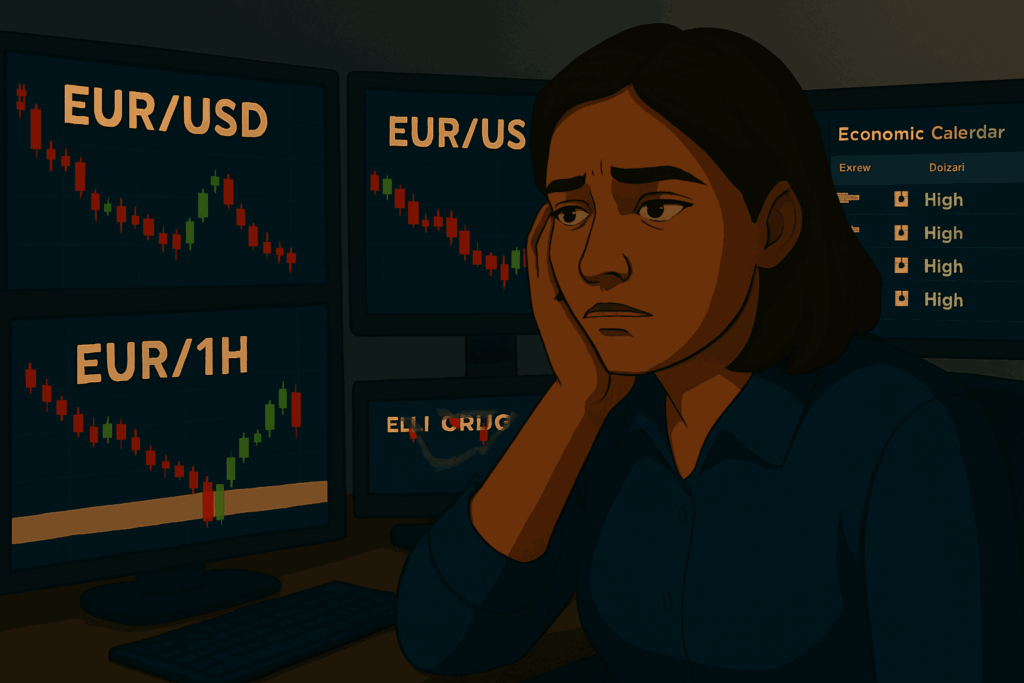
Within an hour, the trade reversed hard and hit stop-loss.
Here’s what Priya realized afterward:
- While the 1H showed a strong support zone, the 4H and daily chart were bearish
- She ignored a recent high-impact news release that hinted at USD strength
- She didn’t wait for extra confirmation like volume support or a retest
Her setup wasn’t completely wrong but it lacked multi-timeframe alignment and fundamental awareness.
📘 Want to improve multi-timeframe analysis? This BabyPips lesson is a great place to start.
Emotional Reaction: Frustration and Impulse
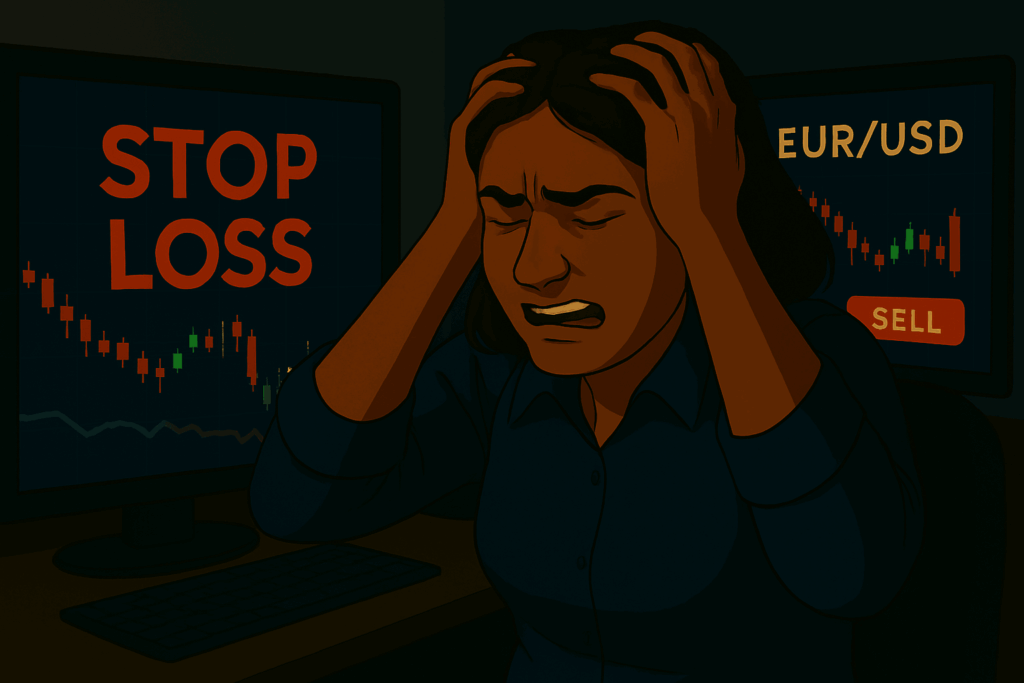
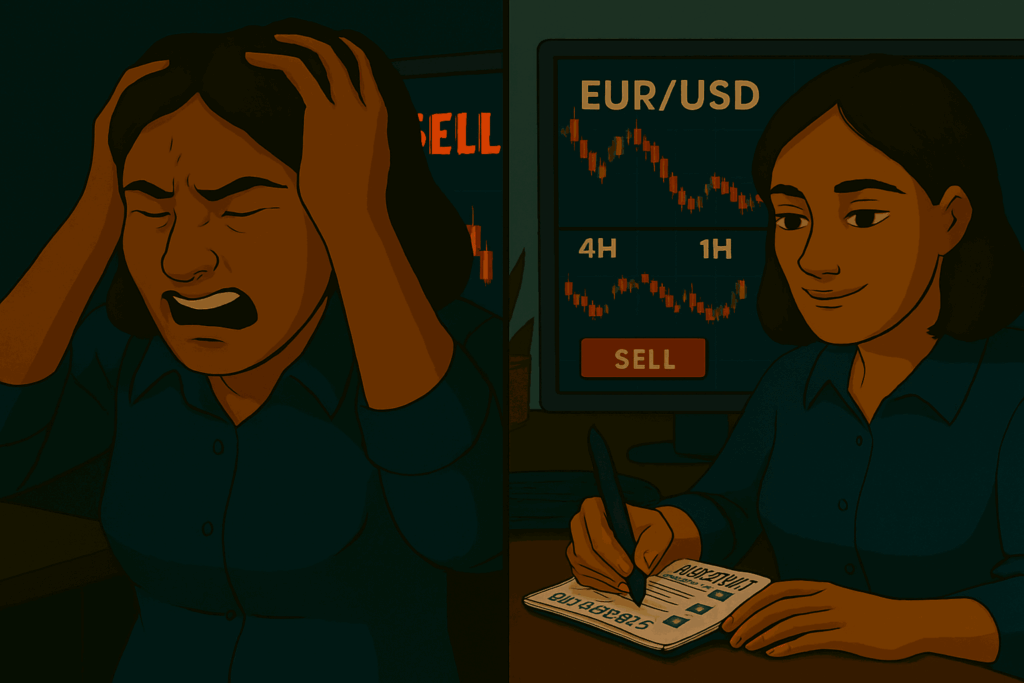
After the stop-loss hit, Priya felt frustrated.
She entered a second trade this time selling, trying to “catch the breakout.” But she didn’t fully analyse it… and lost again.
That second loss wasn’t about the market it was about revenge trading.
Lesson:
One bad trade can be recovered. But emotional reactions can cause spirals that kill confidence and accounts.
What the Trade Taught Her
- Always Check Higher Timeframes
The 1H may look bullish, but if the daily is bearish, you might just be catching a temporary pullback. - Fundamentals Matter
News releases, central bank sentiment, and macro events can override technical setups especially around major pairs. - Patience Beats Impulse
A trade is only valid if all conditions align. Forcing it rarely works. - Losses Are Feedback, Not Failure
Once she calmed down and reviewed the trade, Priya saw it wasn’t the setup it was the context and emotional follow-up that needed fixing.
How She Used the Loss to Improve
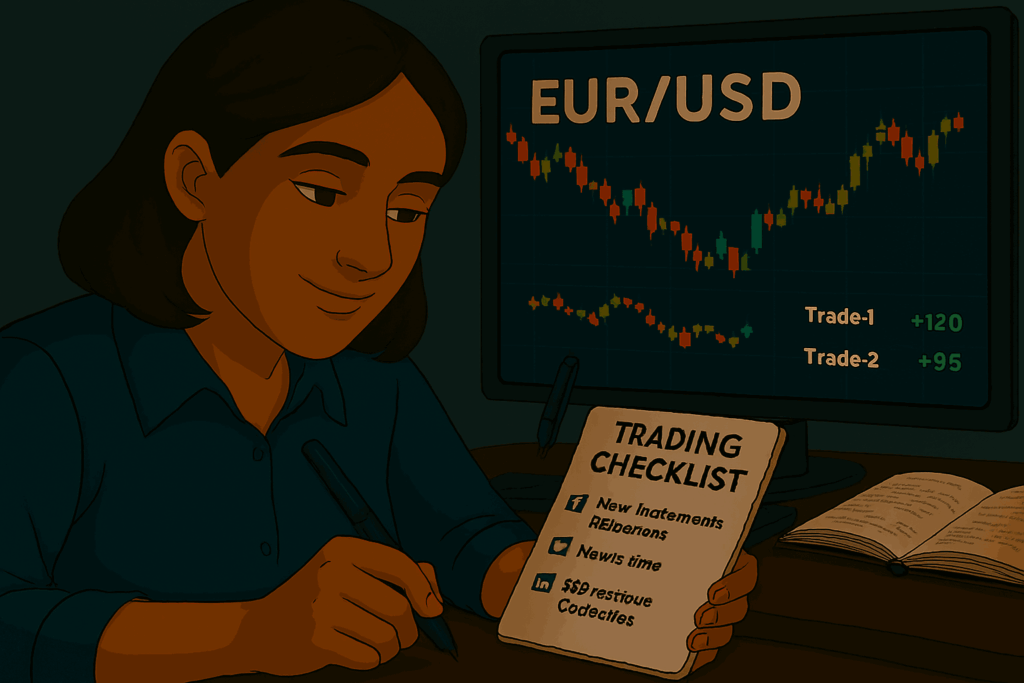
After this failed trade, Priya:
- Built a new rule: No trades until all timeframes align
- Added a “news filter” step to her checklist
- Committed to journaling trades and emotions daily
- Created a 30-minute cooldown rule after any loss before entering another trade
And guess what?
Her very next week was green not because she changed her strategy, but because she changed her process.
Final Thoughts
Every trader faces losses but not every trader uses them as a lesson.
This failed trade helped Priya become sharper, calmer, and more strategic. It’s a reminder that losses aren’t just part of trading… they’re part of learning.
So the next time a trade goes wrong, ask yourself:
“What is this trade trying to teach me?”
That question alone can turn a painful loss into long-term growth.