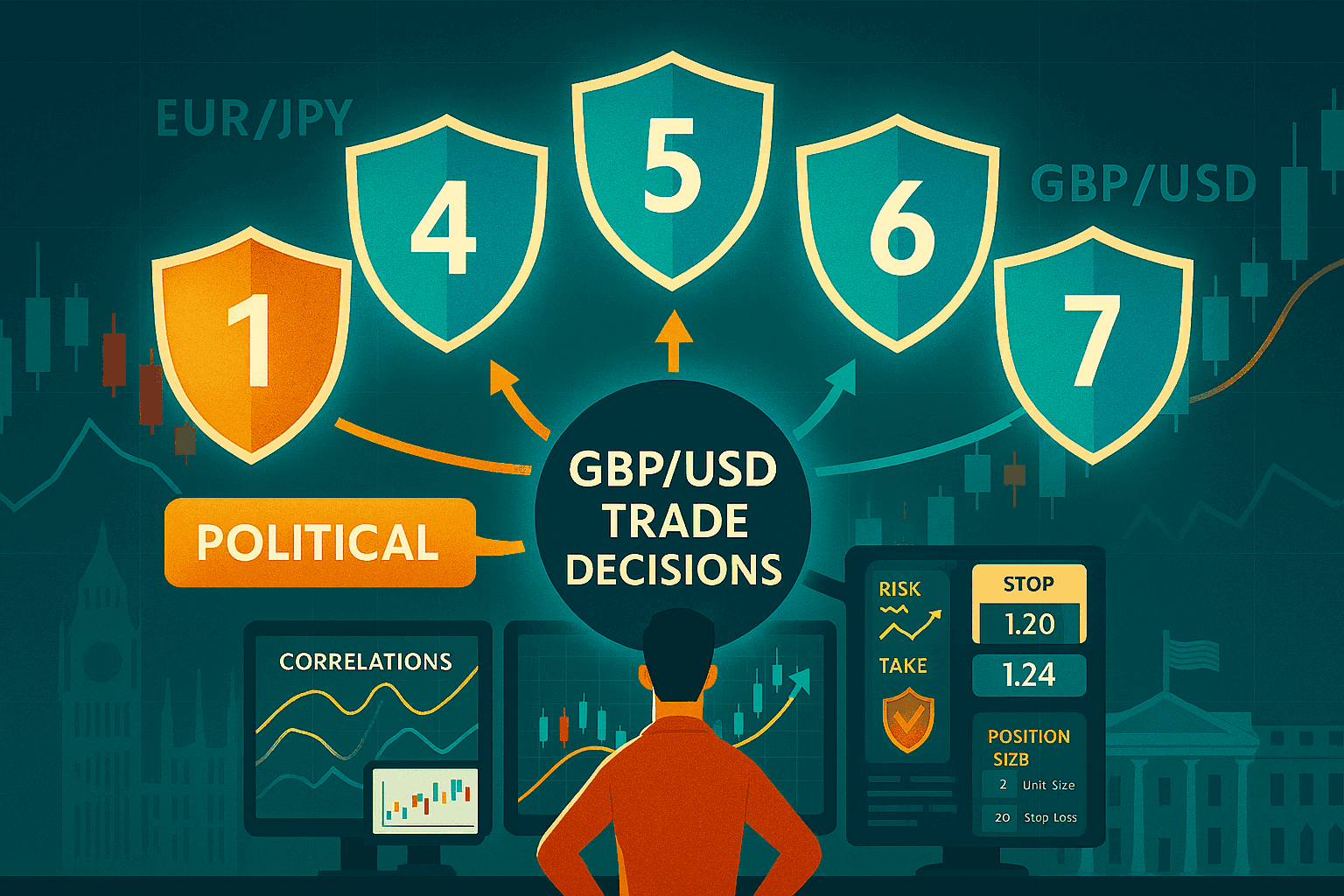
In forex trading, it’s not the big wins that make a trader successful it’s the ability to protect what they already have. That’s where risk management comes in.
You can have the best strategy in the world, but without proper risk control, one bad day can erase weeks or even months of progress.
Here are 7 essential risk management rules every forex trader must follow to trade smarter, last longer, and grow more consistently.
1. Never Risk More Than 1–2% Per Trade
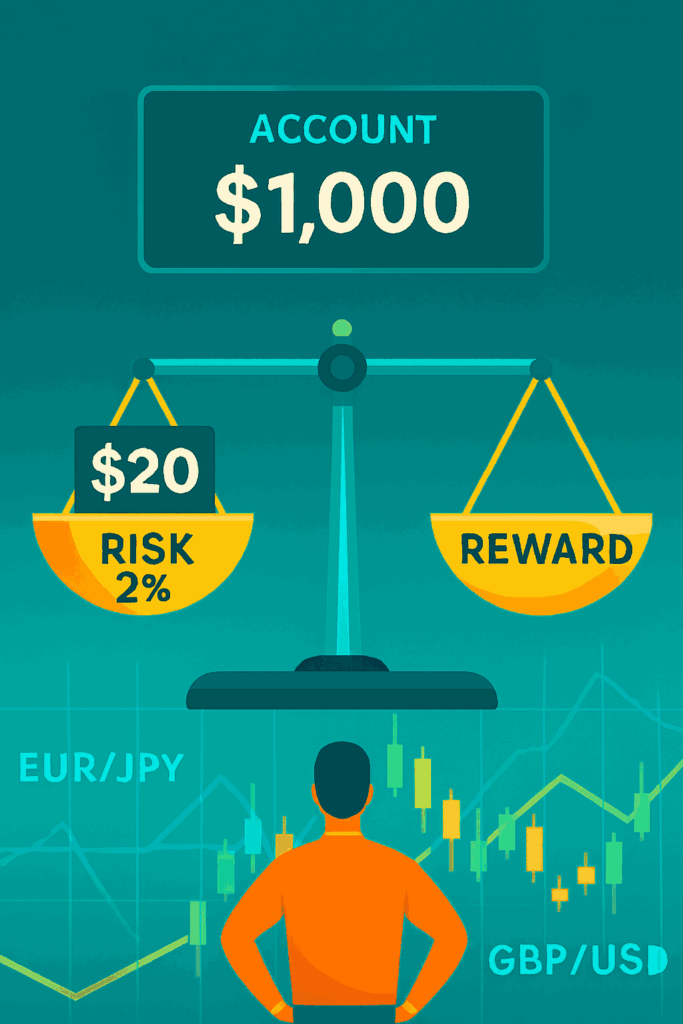
This is the golden rule. If you risk too much on one trade, you’re just one bad setup away from a massive drawdown.
For example:
- On a $1,000 account, risking 2% = $20 max per trade
- Even after 5 losses in a row, you’re down just $100 and still in the game
Smaller risk = greater survivability, especially during losing streaks.
2. Always Use a Stop-Loss
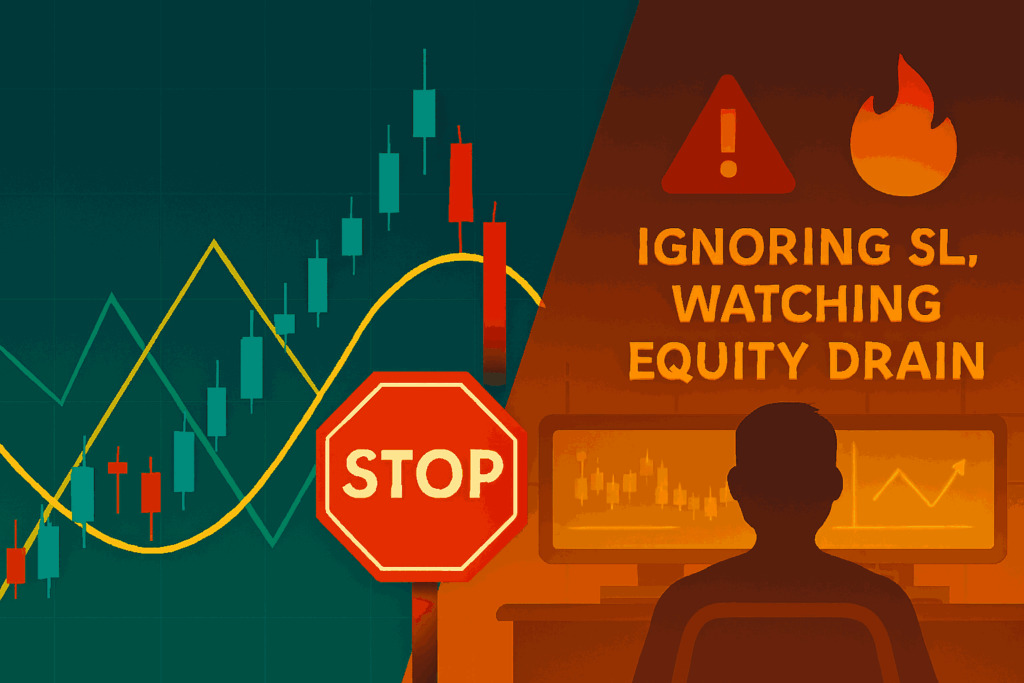
A stop-loss isn’t optional it’s your safety net.
Without one, emotions take over:
- You start hoping the market will turn
- You move the SL further and further away
- You risk wiping your account in a single bad move
Whether you’re day trading or swing trading, every position must have a clearly defined stop based on market structure, not feelings.
🧠 Tip: Want to place smarter stop-losses? Read this BabyPips stop-loss placement guide for structure-based strategies.
3. Know Your Risk-to-Reward Ratio Before You Enter
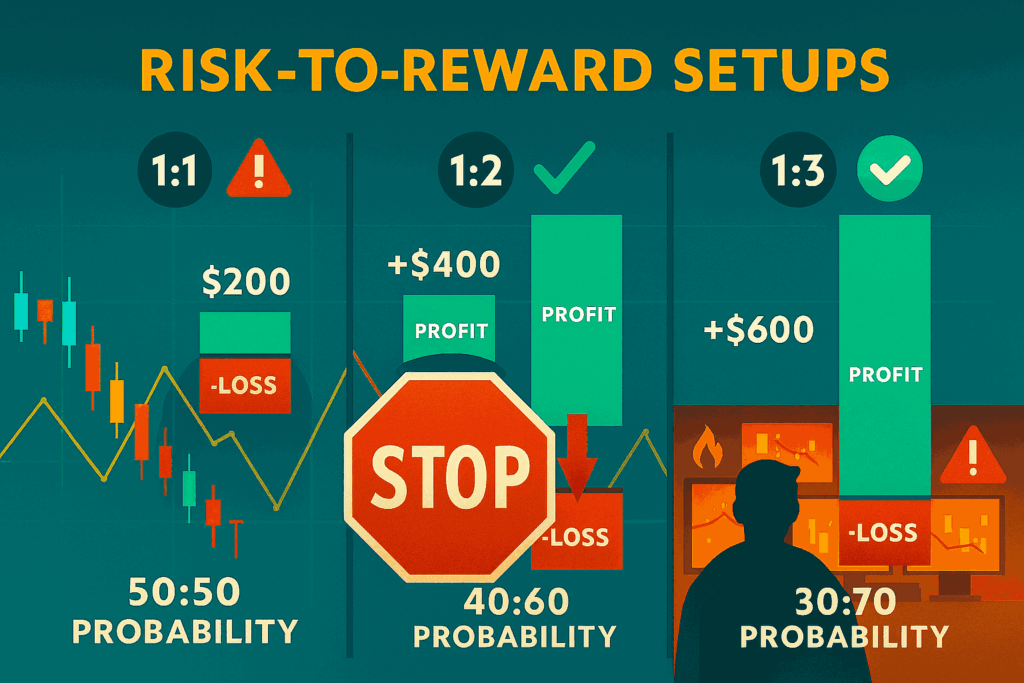
Good traders don’t just ask, “How much can I make?” They ask, “What’s my risk compared to my reward?”
Stick to setups with at least a 1:2 risk-to-reward ratio meaning for every $1 you risk, you’re aiming for $2 profit.
Why it matters:
- You can be wrong 50% of the time and still stay profitable
- It discourages emotional exits
High-probability trading starts with asymmetrical risk.
4. Limit Total Daily/Weekly Risk Exposure
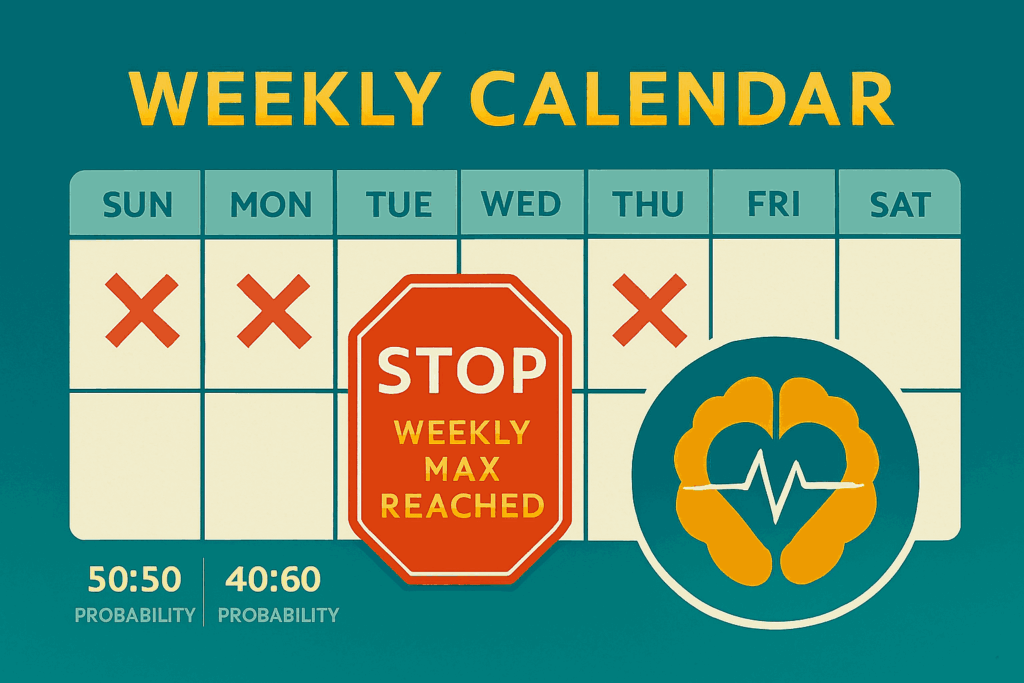
Even if you’re risking 1% per trade, taking 10 trades a day could still add up to big losses fast.
Smart traders cap their exposure:
- Max 2–3 trades per day
- Max 5% total loss per week
- After 2 losses in a row, pause and reflect
This protects your mental capital, not just your balance.
5. Adjust Lot Size Based on Stop Distance
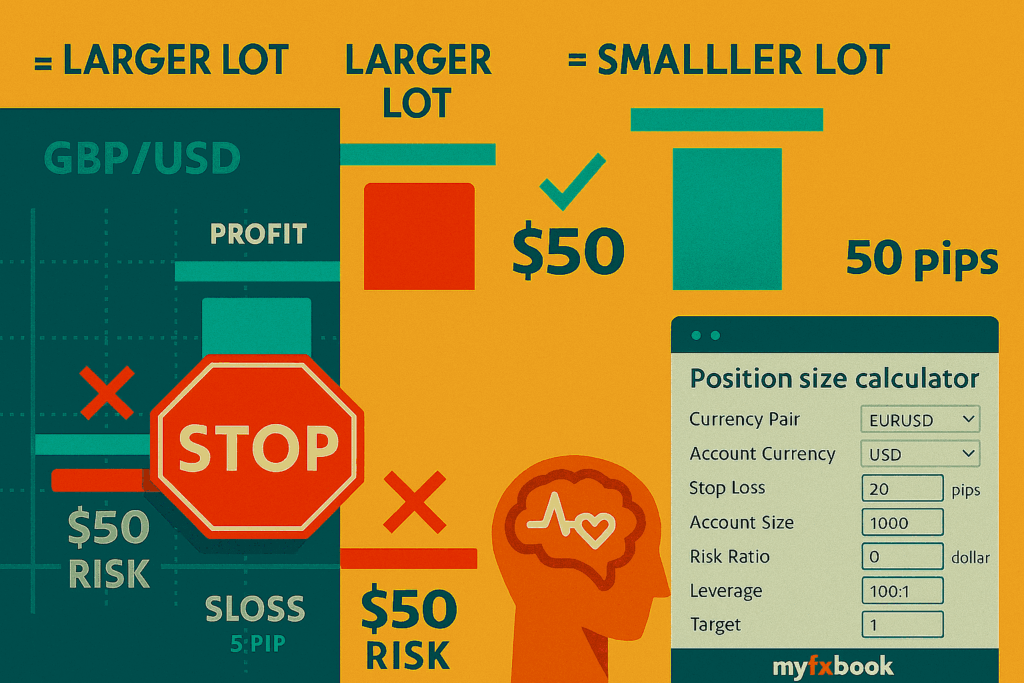
Don’t guess your lot size. Use a position sizing formula that adapts based on your stop-loss distance.
For example:
- If your stop is 20 pips, you’ll use a larger lot than if it’s 50 pips
- The goal is to keep the dollar risk fixed, regardless of the trade setup
📐 Use tools like the MyFXBook position size calculator to calculate this with precision.
6. Don’t Overleverage
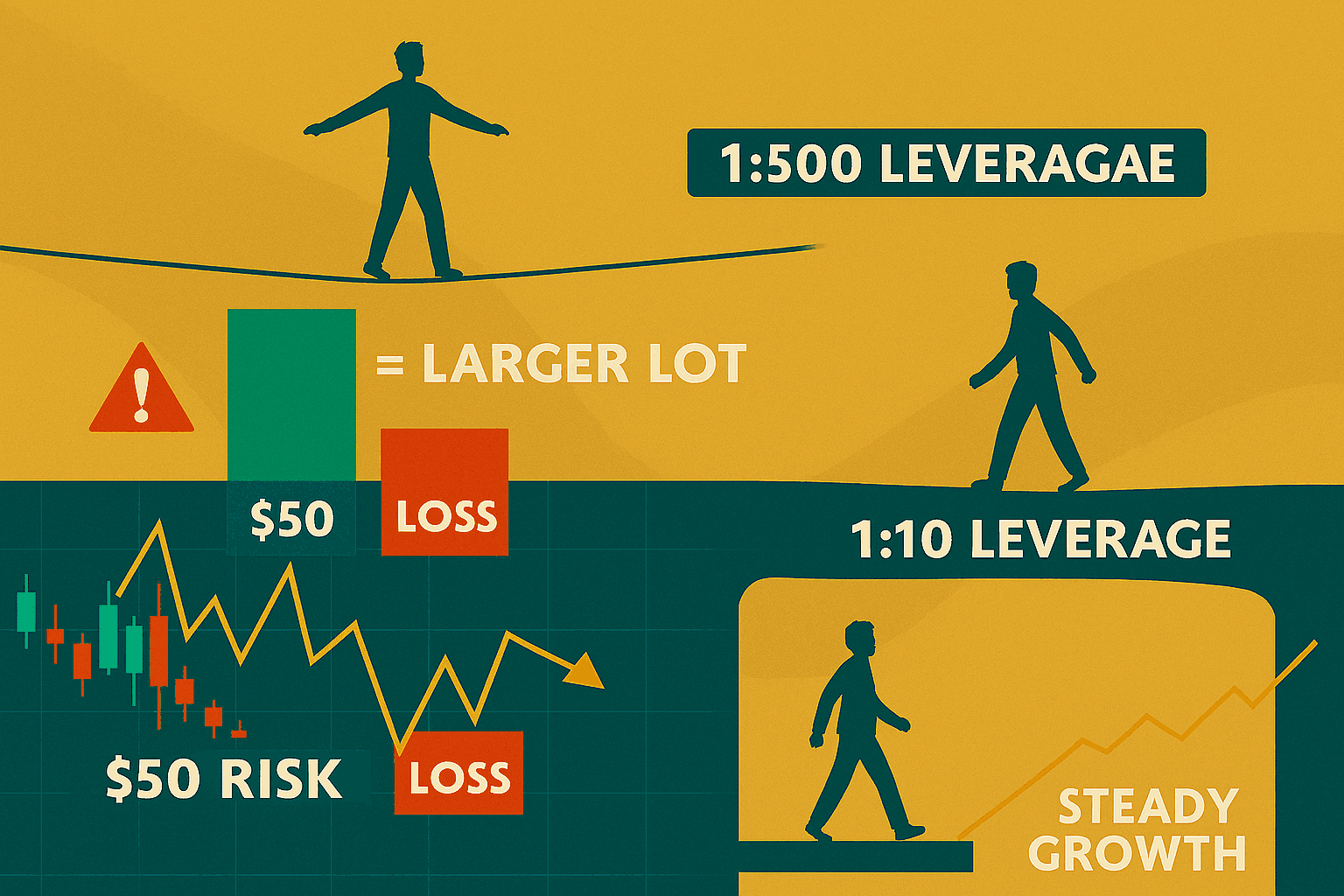
Leverage is a double-edged sword. While brokers may offer 1:100 or even 1:500, using it all is a fast track to account blowout.
What successful traders do:
- Use low leverage (1:5 to 1:20) regardless of what’s available
- Focus on preserving capital, not maximizing margin usage
High leverage should never replace strong setups and tight risk control.
7. Review and Adjust Your Risk Rules Regularly
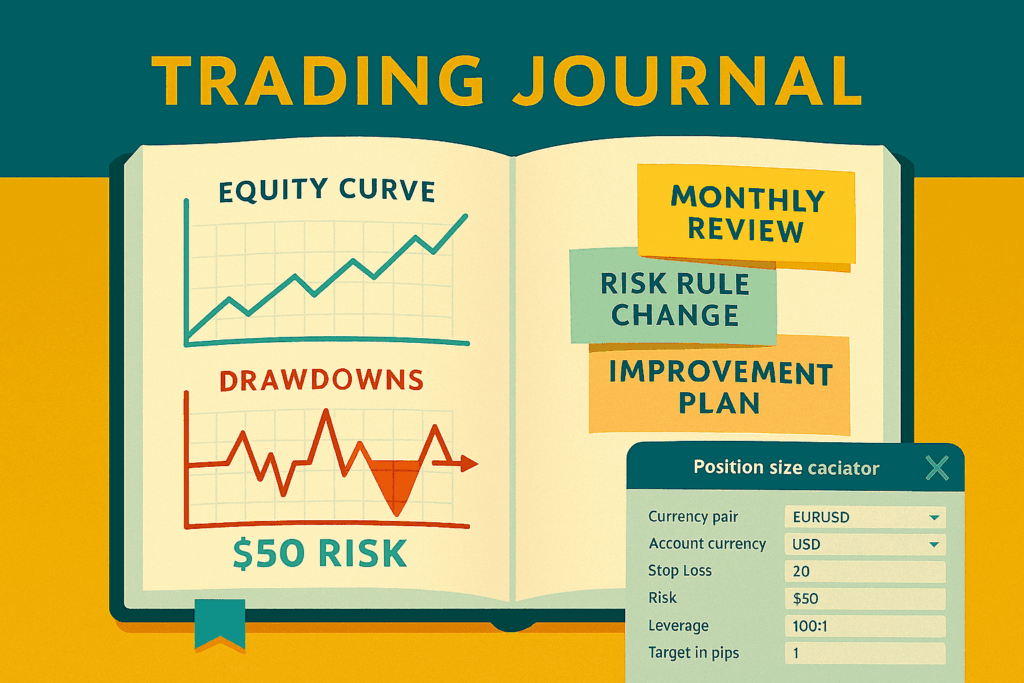
Markets change. So should your risk approach.
Top traders:
- Review their performance monthly
- Identify patterns in drawdowns
- Adjust their risk only when backed by data not emotion
Risk management isn’t a “set-and-forget” thing it’s a dynamic part of your trading system.
Final Thoughts
If there’s one truth in forex, it’s this: your #1 job is not to make money it’s to protect your capital.
These 7 risk management rules might sound simple… but they’re what separate sustainable traders from gamblers.
Follow them with discipline, and you’ll give yourself the one thing most traders never get:
Time.
Time to learn. Time to grow. Time to win.