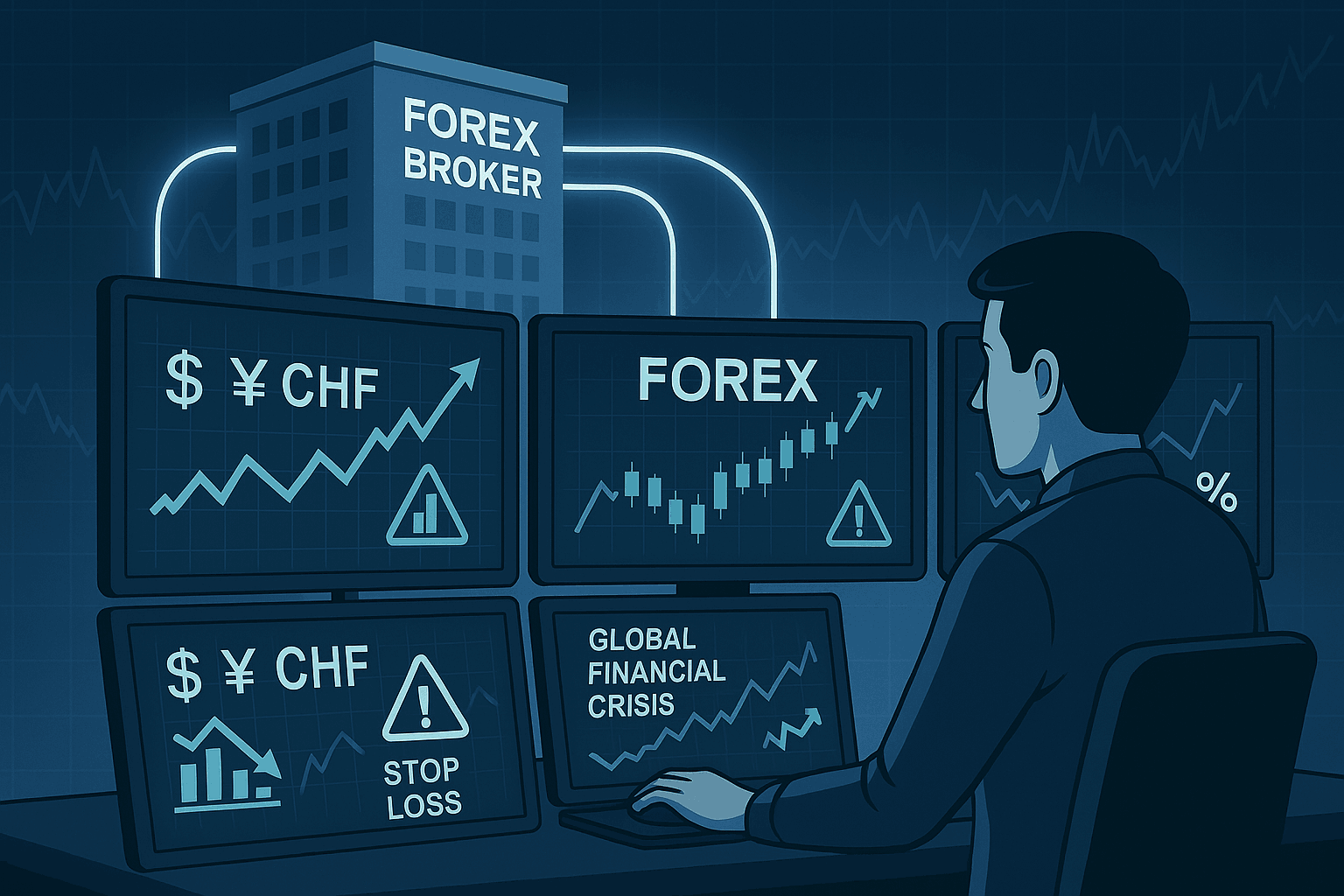
Before you place your first trade, it’s crucial to understand the role of forex brokers. They are your gateway to the currency markets but they’re also businesses with their own goals.
In this article, we’ll explore how forex brokers operate, the different types of brokers, and what you should look for when choosing one.
What Is a Forex Broker?
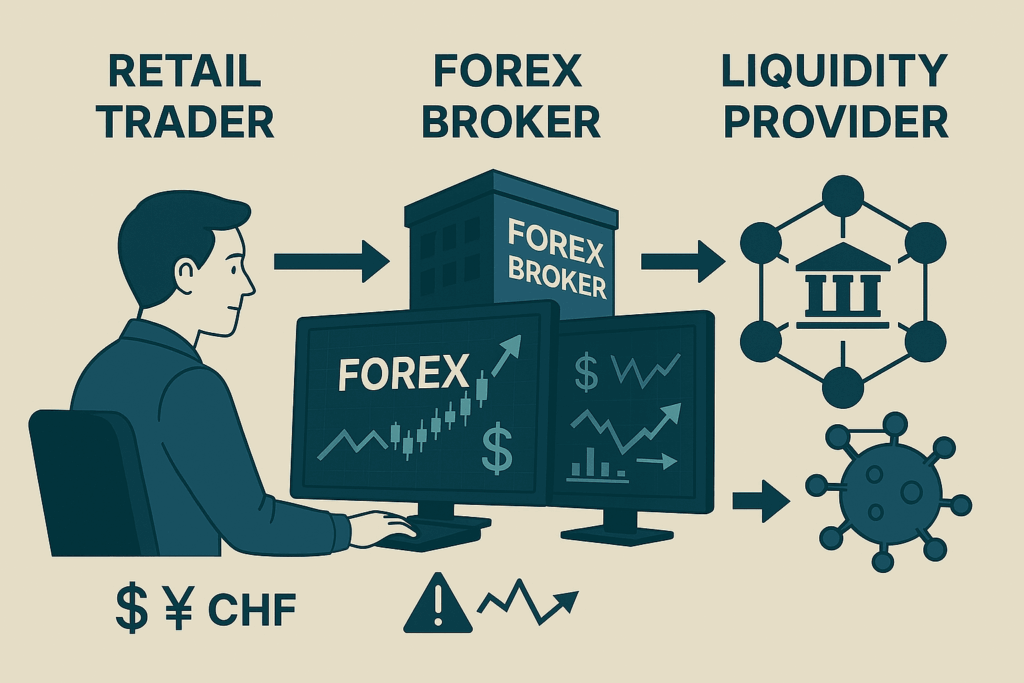
A forex broker is a company that provides access to the forex market. They act as an intermediary, executing trades on your behalf via a trading platform like MetaTrader 4 (MT4) or cTrader.
Think of them as the bridge between retail traders (like you) and the larger financial institutions or liquidity providers.
Types of Forex Brokers
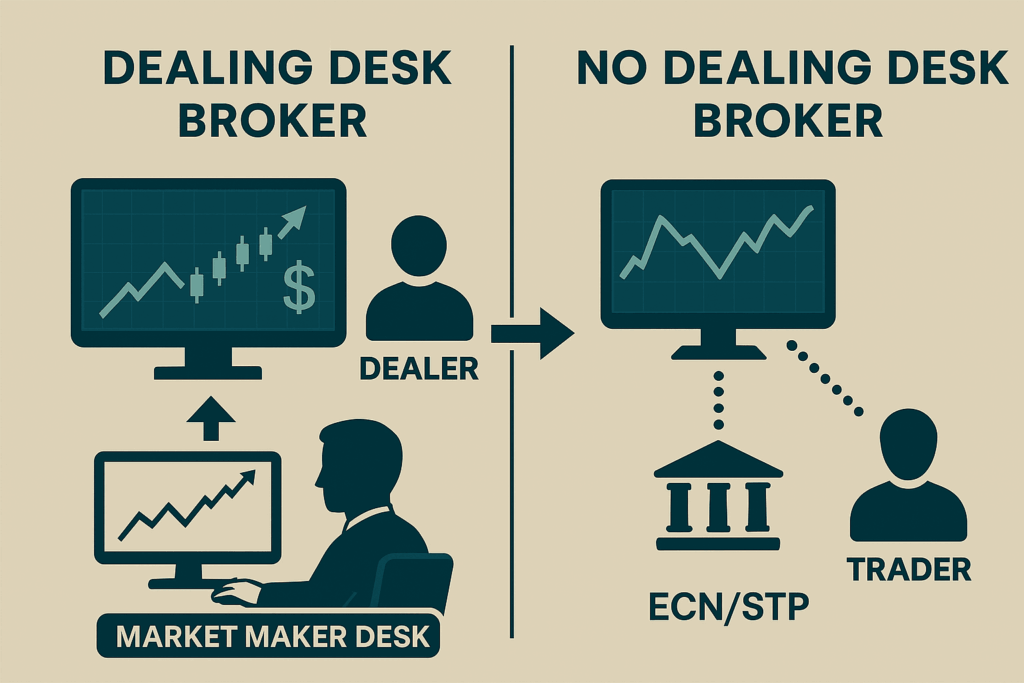
There are two main categories of forex brokers:
1. Dealing Desk Brokers (Market Makers)
- They take the opposite side of your trade.
- Profits may come from your losses or spread markups.
- Often offer fixed spreads.
- Suitable for beginners, but may have conflict of interest.
2. No Dealing Desk Brokers (NDD)
These connect you directly to liquidity providers.
Types include:
- STP (Straight Through Processing) – Passes orders directly without intervention.
- ECN (Electronic Communication Network) – Aggregates orders from multiple participants; usually offers raw spreads and commissions.
💡 Tip: ECN/STP brokers tend to have tighter spreads and more transparency, especially for experienced traders.
How Do Brokers Make Money?
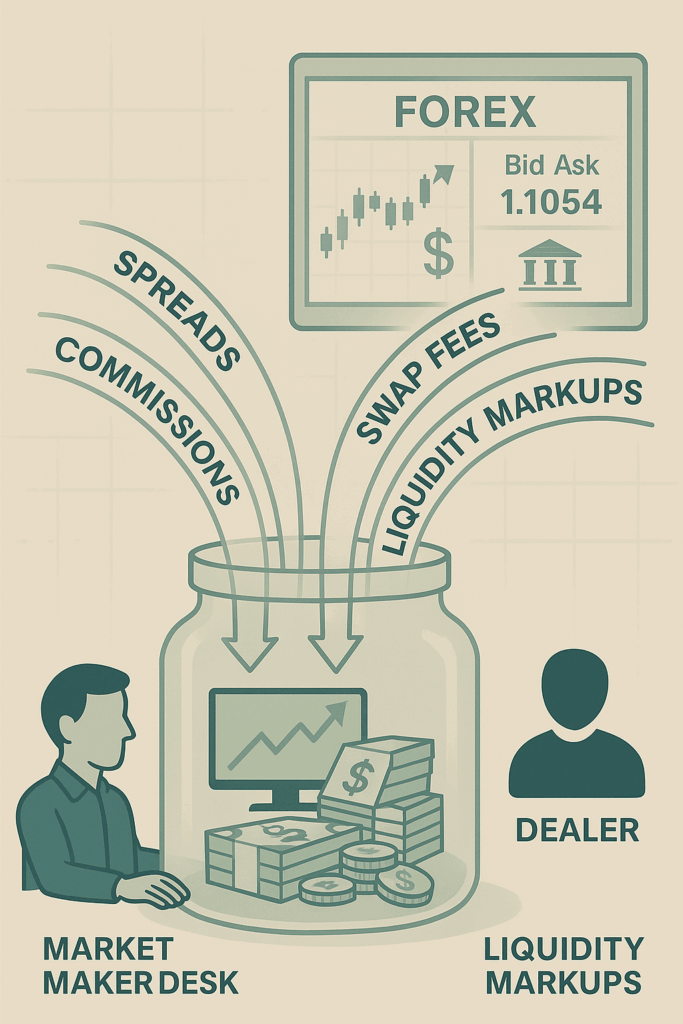
- Spreads: The difference between the bid and ask price. Example: if EUR/USD is quoted at 1.1000/1.1002, the spread is 2 pips.
- Commissions: Charged per trade or per lot (common in ECN accounts).
- Swap/Overnight Fees: Charged for holding positions overnight.
- Markup on Liquidity: Some brokers increase the spread slightly as a hidden profit mechanism.
🧾 Many retail traders think brokers only win when you lose this is not always true. NDD brokers often have no direct stake in your win/loss and profit from volume.
Key Features to Look for in a Broker
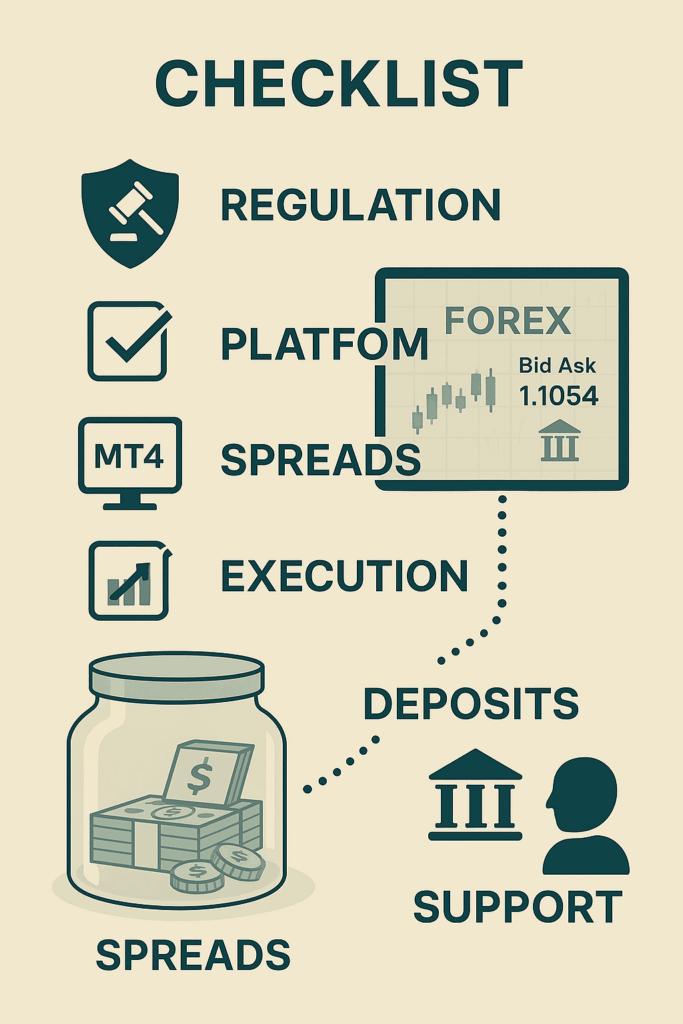
- Regulation
Always trade with a regulated broker under bodies like:- FCA (UK)
- ASIC (Australia)
- CySEC (EU)
- NFA/CFTC (USA)
- Trading Platform
Check for MT4, MT5, or cTrader support and ensure they offer mobile access. - Spreads & Fees
Compare live spreads, not just advertised ones. Check for hidden commissions. - Execution Speed
Fast order execution is vital, especially for scalpers or news traders. - Deposit & Withdrawal Options
Look for transparency, low fees, and fast processing. - Customer Support
24/5 support via chat or phone is a must especially if you’re trading actively.
Red Flags to Avoid
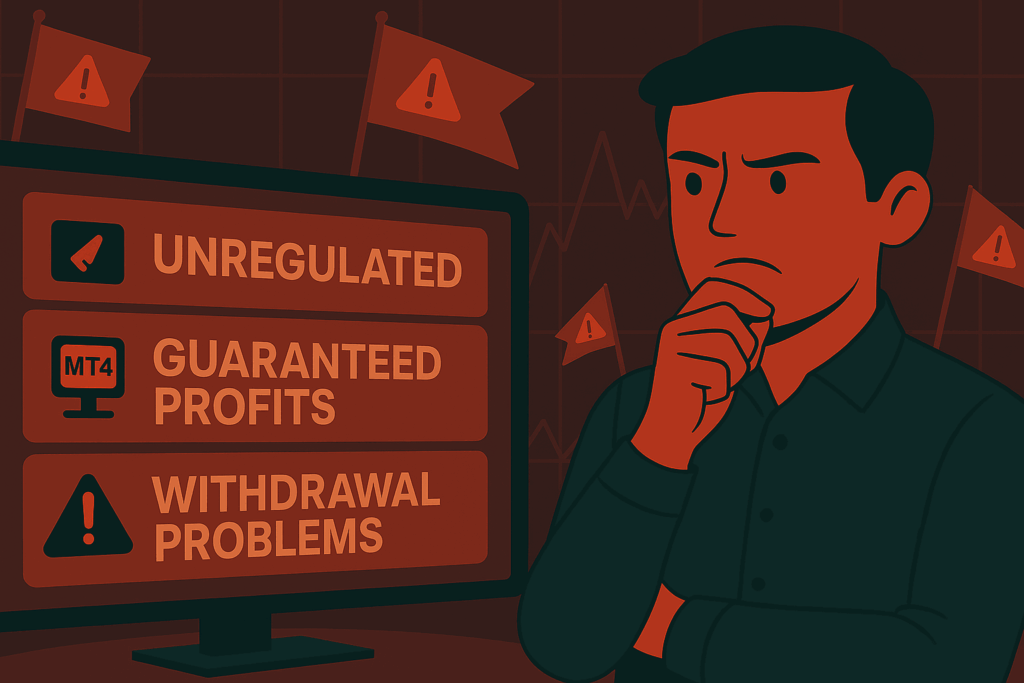
❌ Unregulated or offshore-only brokers
❌ Guaranteed profits or bonuses that seem too good to be true
❌ High slippage or order rejections
❌ Negative reviews with withdrawal issues
❌ Pushy account managers urging big deposits
🧠 Want to verify broker licenses? Use regulatory databases like the FCA Register or ASIC Connect.
Final Thoughts
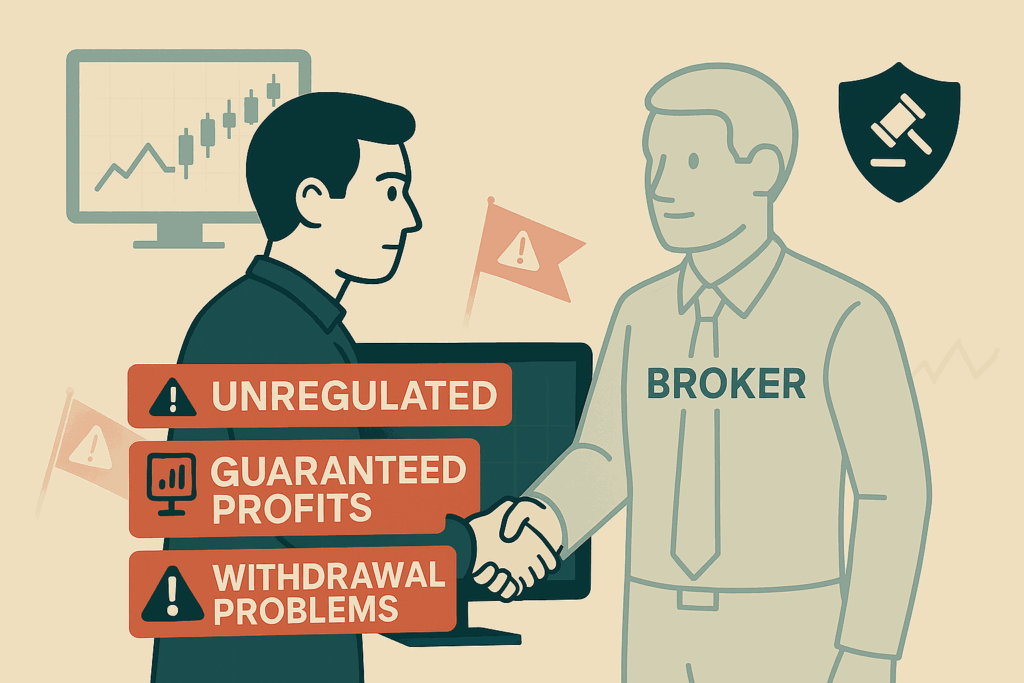
Understanding how brokers operate gives you an edge. It helps you choose platforms that match your goals, minimize costs, and protect your capital.
Don’t just go with the flashiest marketing choose brokers based on reputation, regulation, and transparency. After all, your broker is your partner in this journey choose wisely.