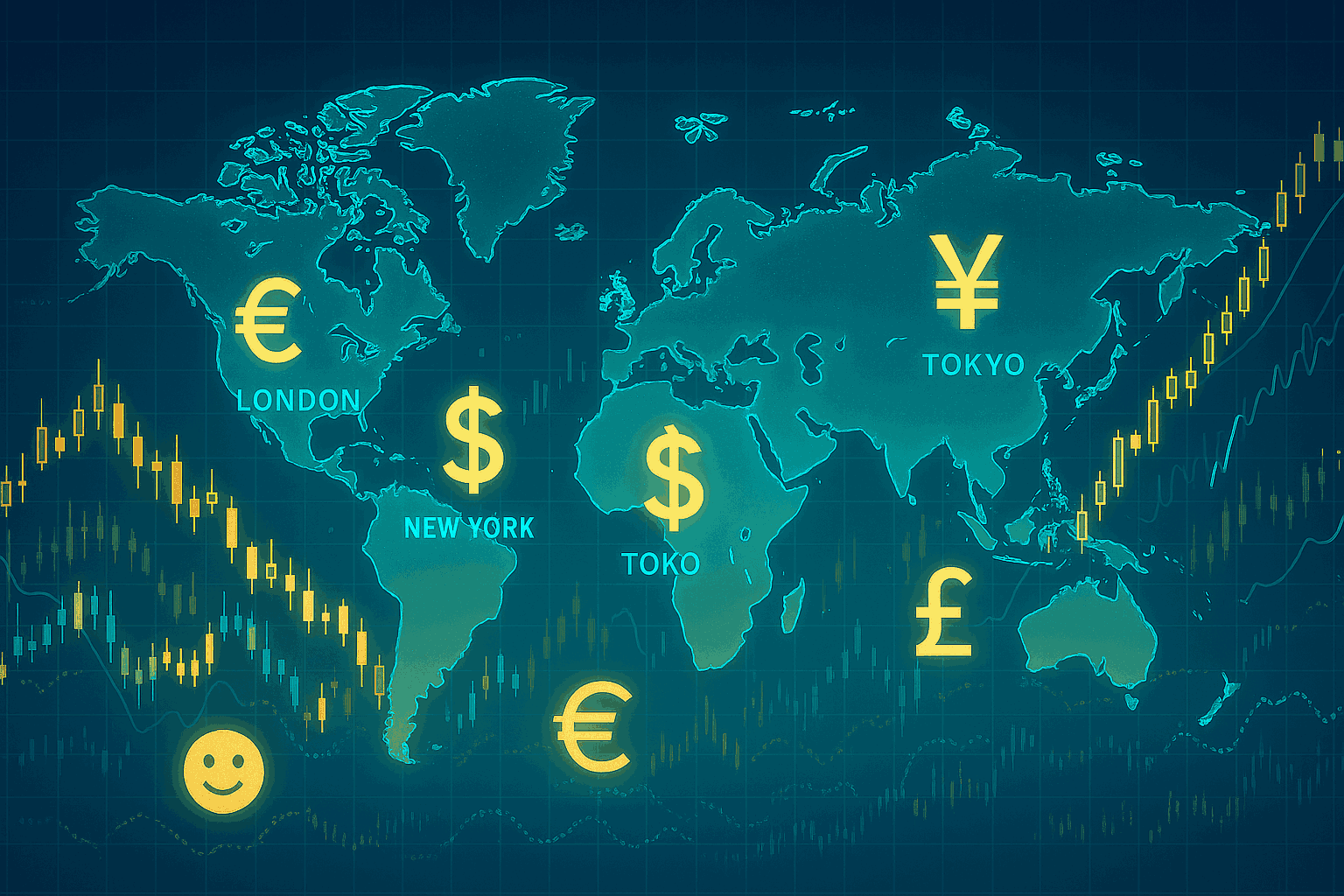
If you’ve ever traveled abroad and exchanged your money for another currency, you’ve already participated in the foreign exchange market also known as forex or FX. But beyond travel, forex trading is a massive financial market where individuals, banks, and institutions exchange currencies to profit from price fluctuations.
In this beginner’s guide, we’ll break down what forex trading is, how it works, and how you can get started in this dynamic global market.
What Is Forex Trading?
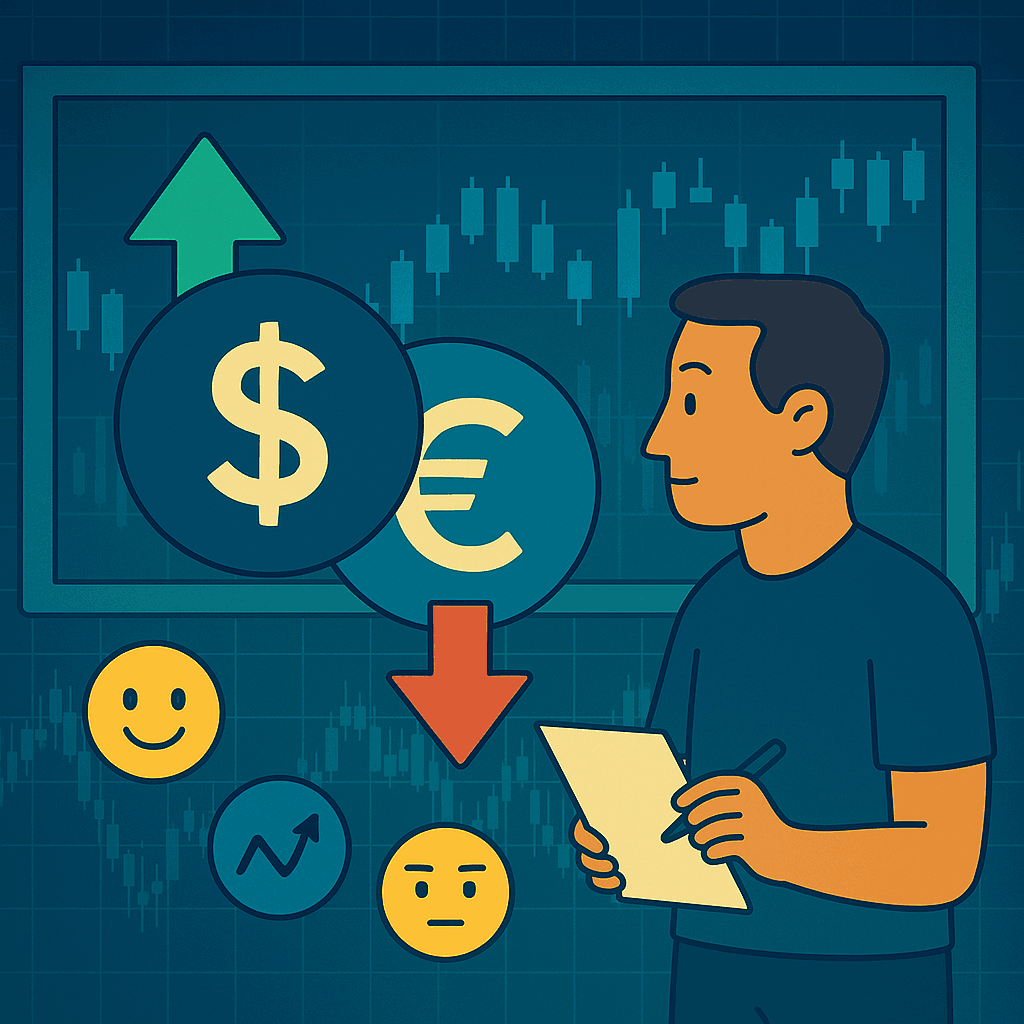
Forex trading is the act of buying one currency while simultaneously selling another. These trades occur in pairs, such as EUR/USD (Euro/US Dollar) or GBP/JPY (British Pound/Japanese Yen). Traders speculate on whether one currency will strengthen or weaken against the other, aiming to profit from these movements.
Unlike stock markets, the forex market operates 24 hours a day, five days a week, thanks to its decentralized structure spanning across global financial centers.
How Does the Forex Market Work?
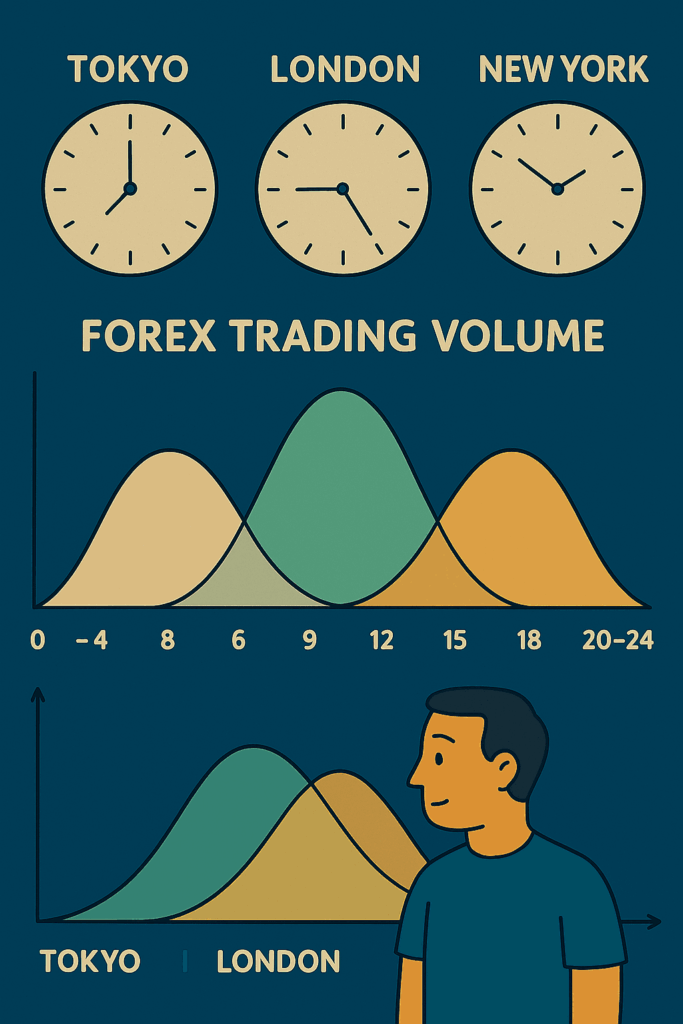
The forex market is divided into three main trading sessions:
- Asian (Tokyo)
- European (London)
- North American (New York)
These sessions overlap at certain times, resulting in higher trading volumes and more volatility perfect conditions for short-term traders.
All trading occurs over-the-counter (OTC), meaning there’s no centralized exchange. Instead, trades happen electronically between participants via computer networks.
💡 Fun fact: The forex market sees a daily volume of over $7 trillion, making it the most liquid financial market in the world.
Key Concepts Every Beginner Should Know
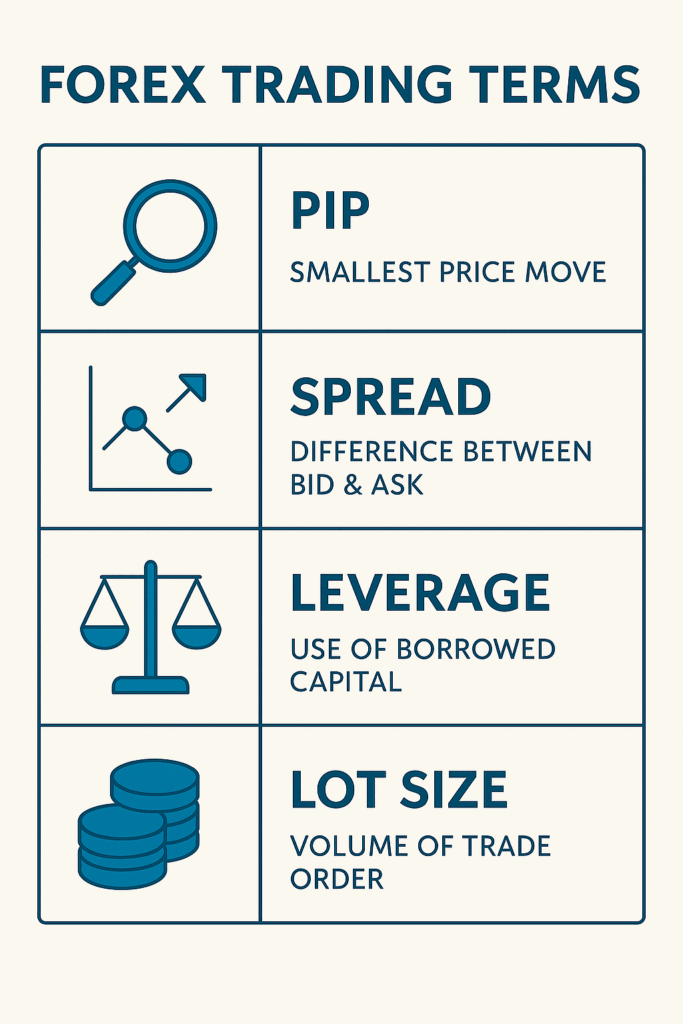
Here are some must-know terms before you dive in:
- Currency Pair: Example: EUR/USD – you’re buying the euro and selling the dollar.
- Pip: The smallest price move a currency pair can make (usually 0.0001) , Learn more in this beginner’s guide to pip values.
- Spread: The difference between the bid and ask price – this is how brokers make money.
- Leverage: Allows traders to control larger positions with a small amount of capital. (Be careful – leverage magnifies both gains and losses!) , See how to trade safely with leverage.
- Lot Size: Standard lot = 100,000 units; mini lot = 10,000; micro lot = 1,000 . Understand lot sizes and risk.
Why Do People Trade Forex?
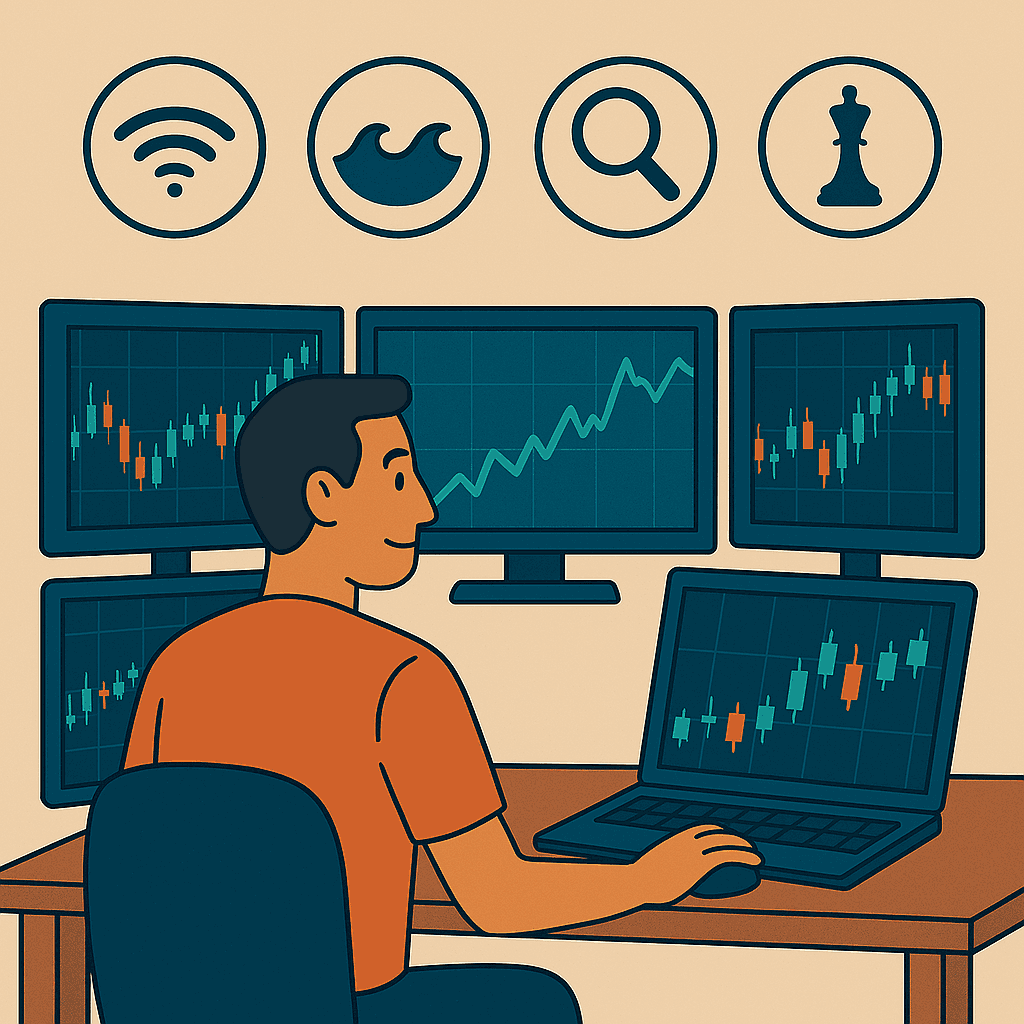
- Liquidity – Easy to enter and exit trades due to high trading volume.
- Accessibility – With a small investment and an internet connection, anyone can start.
- Diverse Strategies – From scalping to swing trading, there’s a style for everyone.
- Leverage Opportunities – Control large positions with less capital (but always manage risk!).
Major Currency Pairs to Know
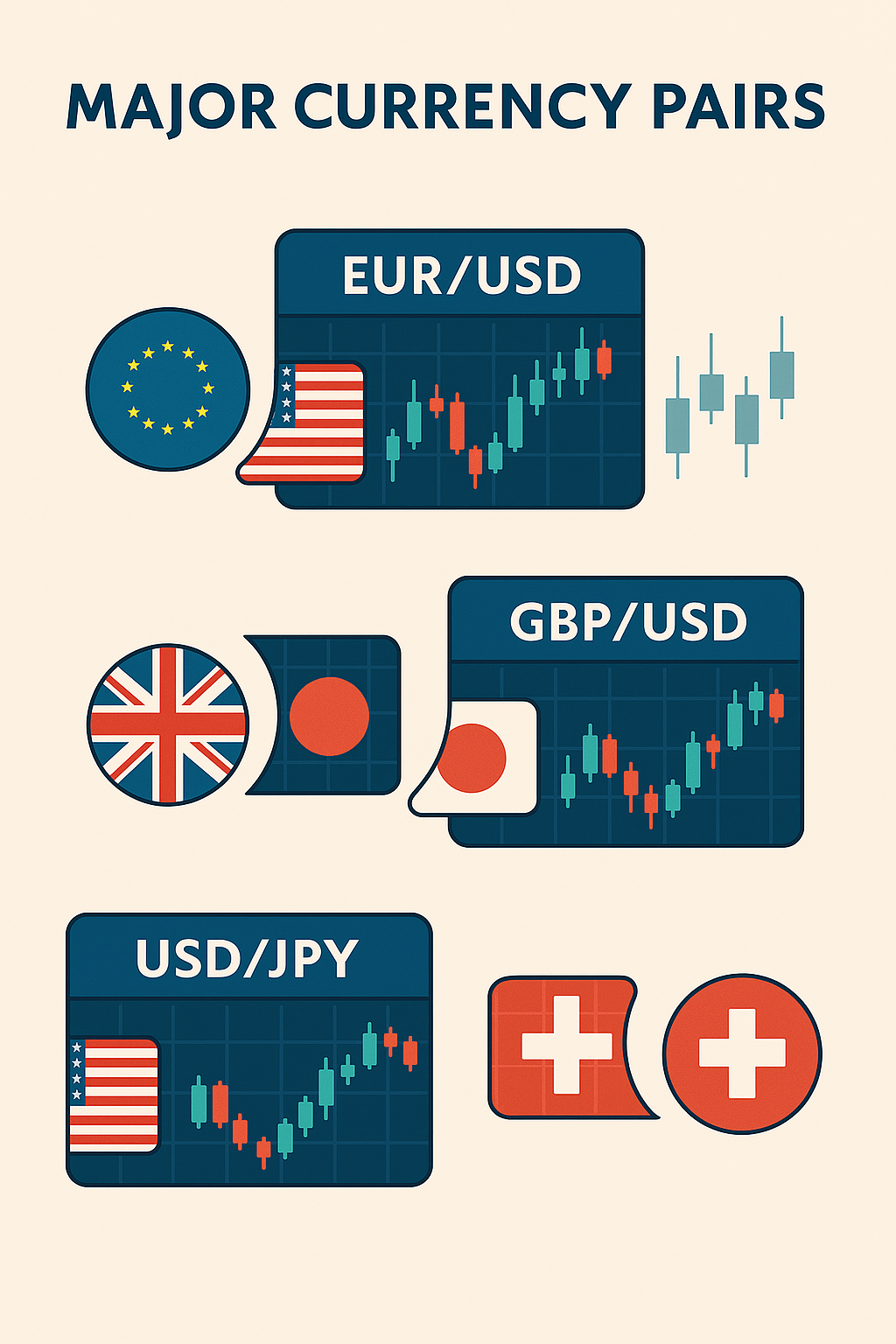
These are some of the most commonly traded pairs:
- EUR/USD – Most traded globally, known for tight spreads and stable movement.
- GBP/USD – Nicknamed “Cable”, known for volatility and sharp moves.
- USD/JPY – Popular for its technical behavior and liquidity.
- USD/CHF – Often considered a safe-haven pair during market uncertainty.
🧠 For deeper understanding of these pairs, check out helpful guides on Investopedia or DailyFX.
How to Start Trading Forex
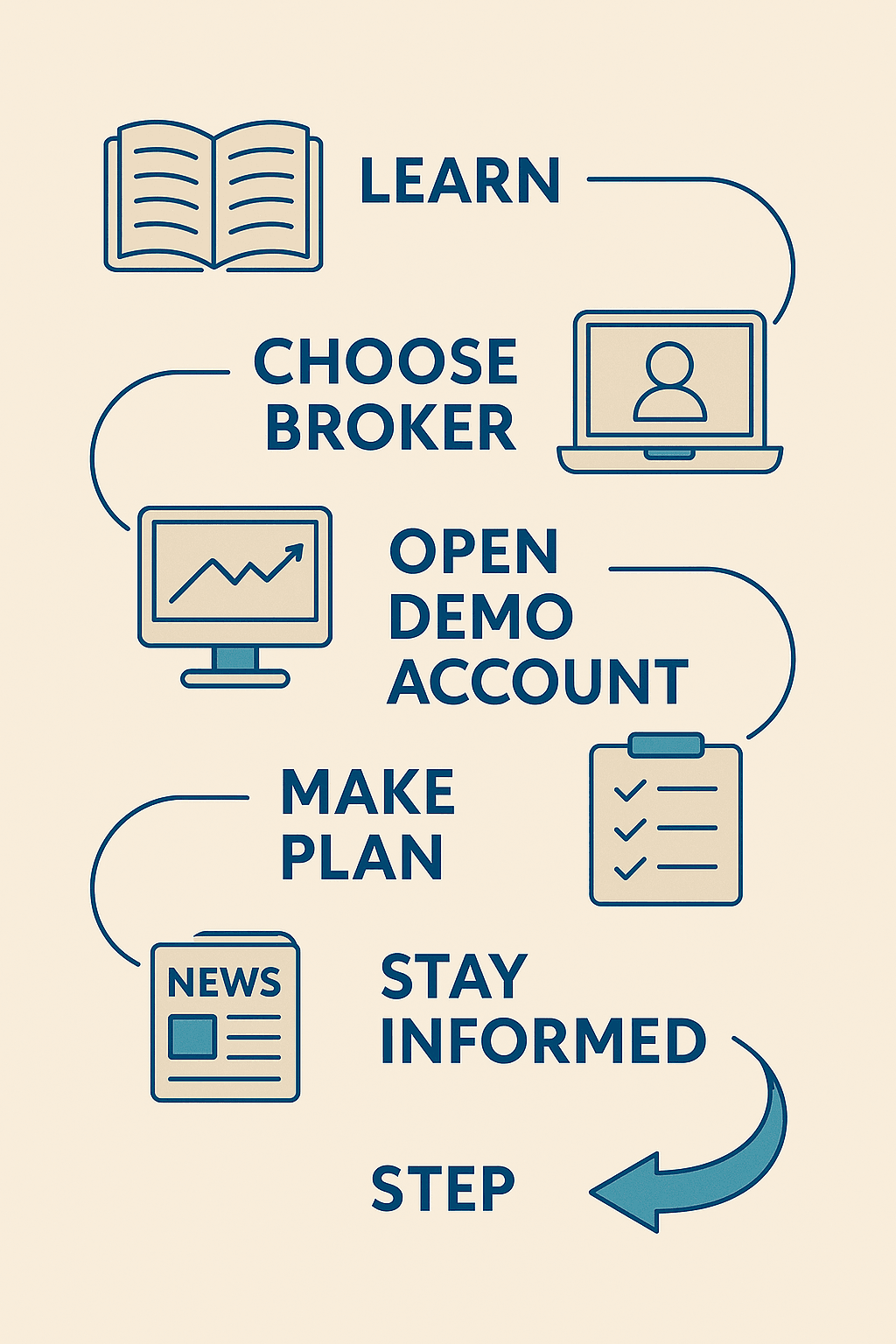
- Learn the Basics
Start with solid educational resources. Learn about trends, indicators, and risk management. - Choose a Reliable Broker
Look for a regulated broker with competitive spreads, solid platform support, and transparent fees. - Open a Demo Account
Before risking real money, use a demo account to practice your strategies risk-free. - Develop a Trading Plan
Your plan should include entry/exit rules, risk tolerance, and goals. - Stay Informed
Economic events, geopolitical news, and central bank decisions impact currency prices. Use tools like economic calendars and news feeds to stay ahead.
Common Mistakes to Avoid
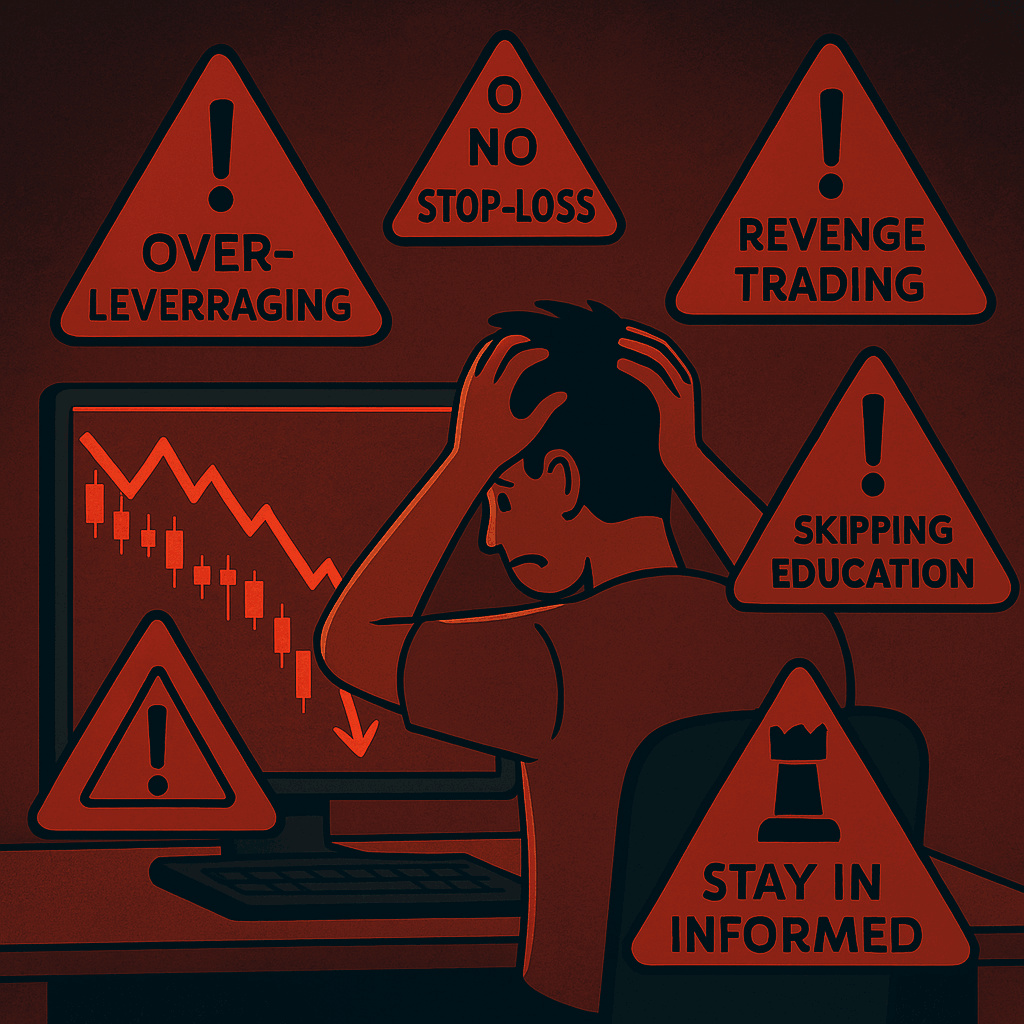
- Overleveraging: Don’t risk more than you can afford to lose.
- Revenge Trading: Stay calm after a loss; don’t let emotions take control.
- Ignoring Risk Management: Always use stop-loss orders.
- Skipping Education: The more you learn, the better your edge , Avoid these common mistakes.
Final Thoughts
Forex trading can be a profitable and exciting venture, but it’s not a get-rich-quick scheme. Like any skill, it requires discipline, education, and continuous practice. Whether you’re aiming to trade part-time or build a long-term career, understanding the basics is your first step toward success in the world’s largest financial market.