
If you’re new to forex trading, one of the first things you’ll encounter is the concept of currency pairs. Every forex trade involves the simultaneous buying of one currency and selling of another and these combinations are what we call currency pairs.
But not all currency pairs are created equal. They fall into three main categories: major, minor, and exotic pairs. In this article, we’ll break down what each type means, their unique traits, and how to decide which pairs are best for your trading style.
What Is a Currency Pair?

A currency pair is a quotation of two currencies: the base currency (first listed) and the quote currency (second listed). The pair shows how much of the quote currency is needed to purchase one unit of the base currency.
Example:
In EUR/USD = 1.1000, the euro is the base, and the US dollar is the quote. This means 1 euro = 1.10 USD.
If you’re still unsure, here’s a guide for beginners that explains how pairs and signals work together in real trades.
1. Major Currency Pairs
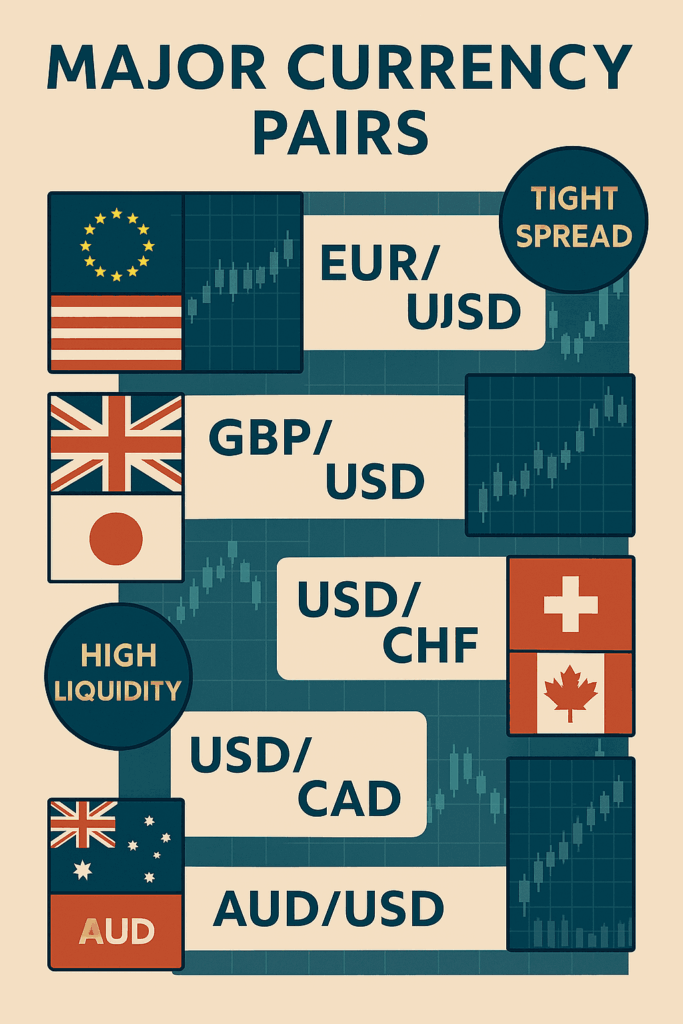
Major pairs are the most frequently traded pairs in the forex market. They always include the US dollar (USD) and a currency from a strong global economy.
🧾 Common Major Pairs:
- EUR/USD – Euro / US Dollar
- GBP/USD – British Pound / US Dollar
- USD/JPY – US Dollar / Japanese Yen
- USD/CHF – US Dollar / Swiss Franc
- AUD/USD – Australian Dollar / US Dollar
- USD/CAD – US Dollar / Canadian Dollar
- NZD/USD – New Zealand Dollar / US Dollar
✅ Characteristics:
- Tight spreads
- High liquidity
- Lower volatility compared to exotics
- Ideal for beginners and technical traders
🧠 Tip: Many forex traders focus only on major pairs for their lower costs and predictable behavior. Sites like Investing.com offer real-time charts and spreads.
🧠 Tip: Curious which pairs are ideal for getting started? Here’s which trading is best for beginners.
2. Minor Currency Pairs (Crosses)
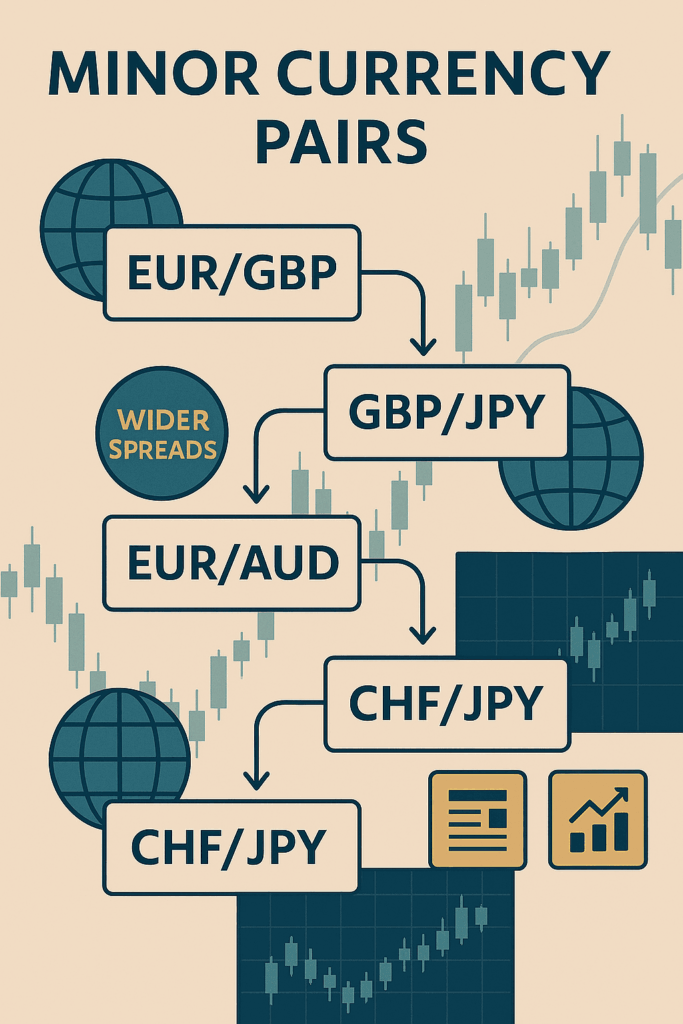
Minor pairs (also called cross currency pairs) don’t include the US dollar but still involve strong global currencies.
🧾 Common Minor Pairs:
- EUR/GBP – Euro / British Pound
- EUR/JPY – Euro / Japanese Yen
- GBP/JPY – British Pound / Japanese Yen
- CHF/JPY – Swiss Franc / Japanese Yen
- AUD/NZD – Australian Dollar / New Zealand Dollar
✅ Characteristics:
- Moderately liquid
- Wider spreads than majors
- More volatile often impacted by regional news or economic reports
These are ideal if you want to diversify beyond USD or take advantage of unique economic situations between two strong currencies.
3. Exotic Currency Pairs
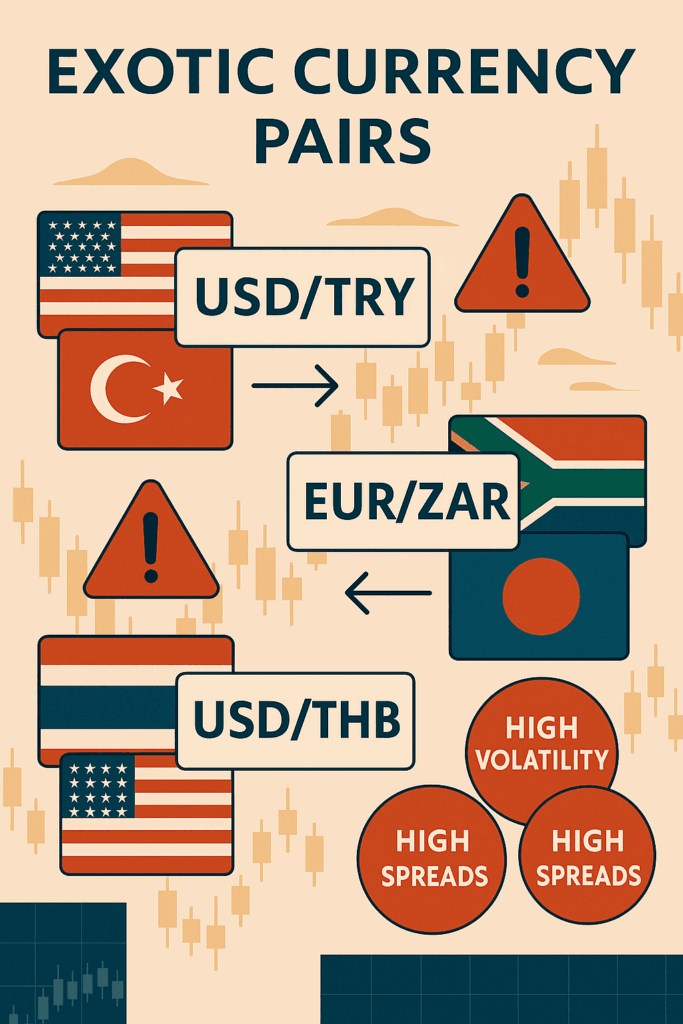
Exotic pairs include one major currency and one from a developing or smaller economy like Mexico, South Africa, or Thailand.
🧾 Examples of Exotic Pairs:
- USD/TRY – US Dollar / Turkish Lira
- EUR/ZAR – Euro / South African Rand
- USD/THB – US Dollar / Thai Baht
- USD/SGD – US Dollar / Singapore Dollar
⚠️ Characteristics:
- Low liquidity
- High spreads and slippage
- Highly sensitive to political and economic instability
- Not beginner-friendly
📉 Pro Tip: Exotic pairs can offer big moves but also big risks. Always manage position sizes carefully and use stop-loss orders.
How to Choose Which Pairs to Trade
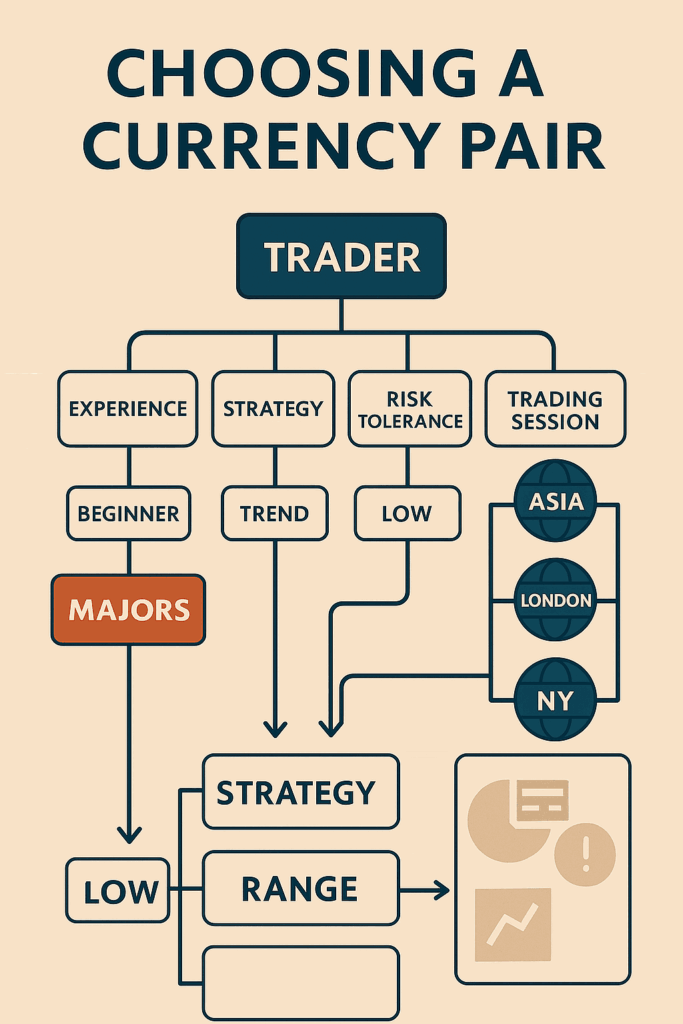
Choosing the right pairs depends on your:
- Experience level – Start with majors if you’re new
- Strategy – Some pairs trend better; others range
- Risk tolerance – Exotic pairs carry more unpredictability
- Trading session – EUR/GBP is more active during London hours; USD/JPY during Asian + US overlap
Also, consider your broker’s spread and execution quality. Here’s a tip on mastering the 3% rule to protect your capital when exploring volatile pairs.
Final Thoughts
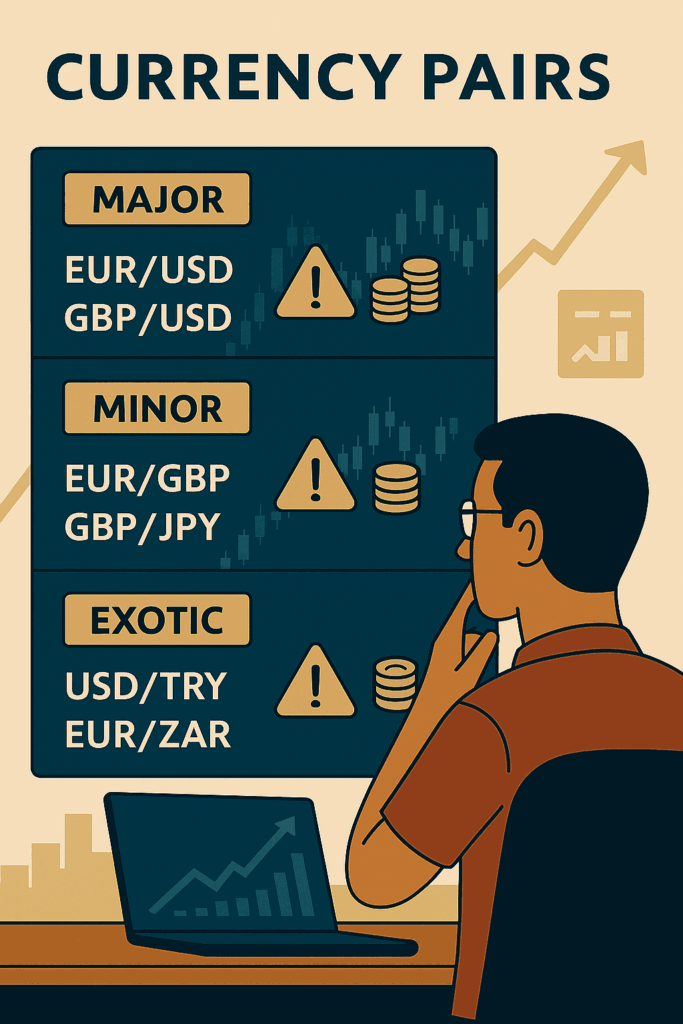
Understanding the differences between major, minor, and exotic currency pairs helps you make smarter decisions as a trader. Each type comes with its own set of opportunities and risks, and the “best” pair depends on your goals, strategy, and market experience.
As a beginner, sticking to the majors can help you learn the ropes with lower trading costs. As your confidence grows, exploring minors and even selected exotics can help diversify your trading portfolio.