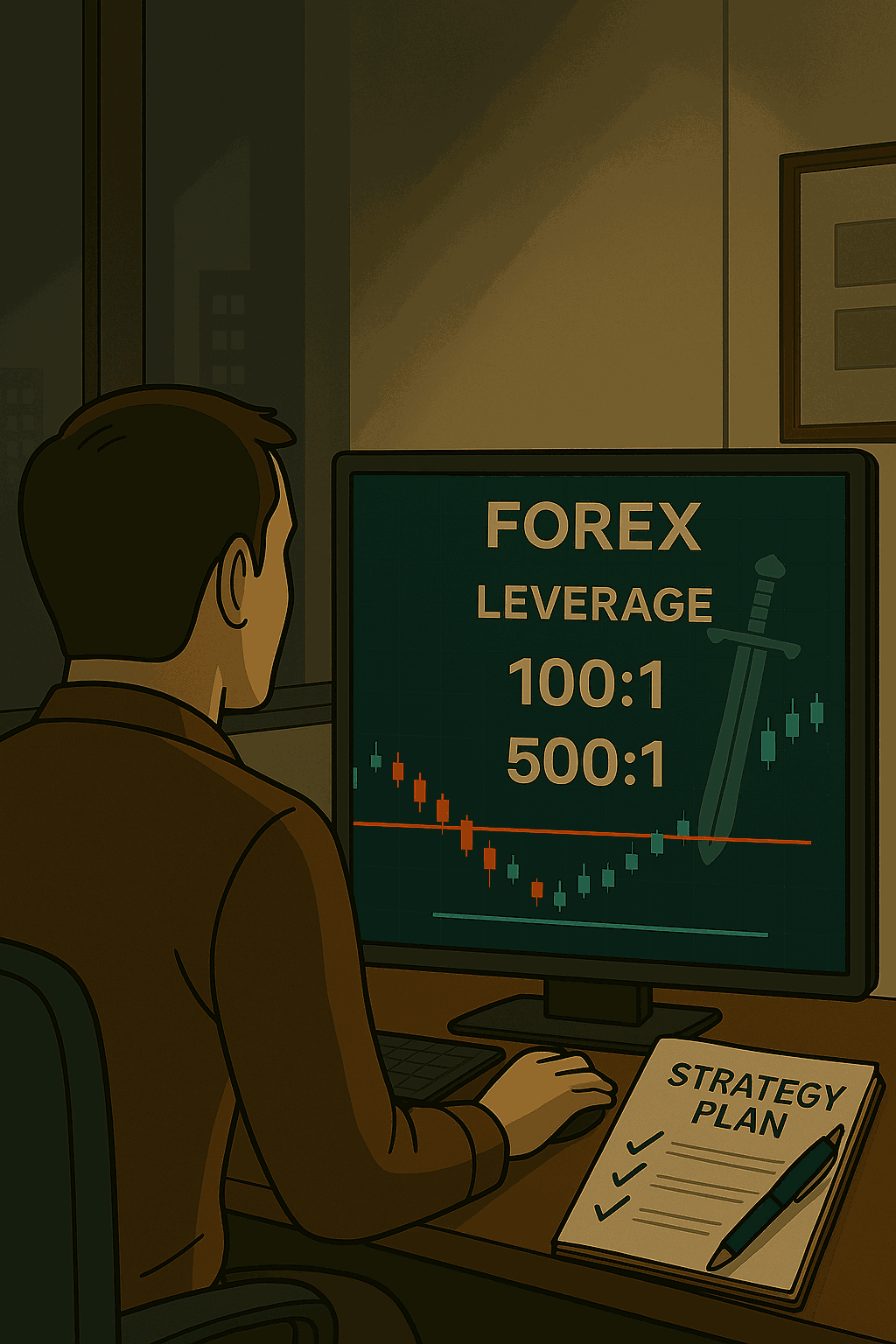
Leverage is one of the most powerful and dangerous tools in a forex trader’s arsenal. It can amplify your profits, but it can just as easily magnify your losses. Understanding how leverage in forex works is essential if you want to trade smart and stay in the game for the long run.
In this article, we’ll break down what leverage is, how it works, and how to use it responsibly.
What Is Leverage in Forex Trading?
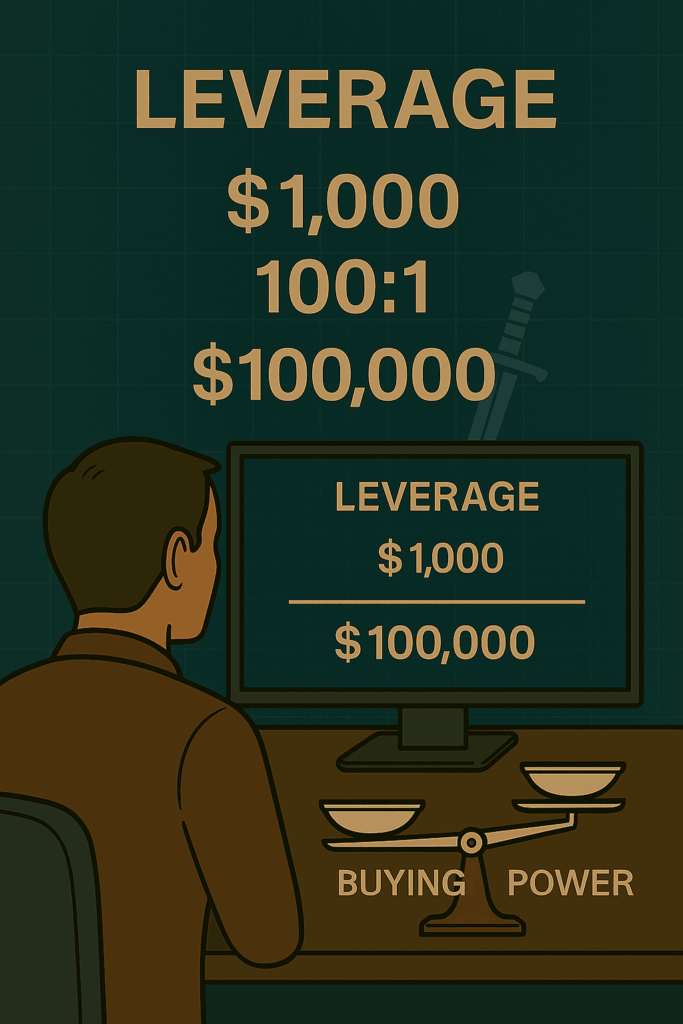
Leverage allows traders to control a large position with a relatively small amount of capital. It’s expressed as a ratio, such as 50:1, 100:1, or 500:1.
Let’s say you have $1,000 in your trading account and use 100:1 leverage this means you can control a position worth $100,000.
⚖️ Leverage = Buying power. It lets you “borrow” funds from your broker to increase trade size. If you’re just starting out, this guide for beginners explains how to enter the market wisely, including how leverage fits into your strategy.
How Does Leverage Work?
Imagine this simple example:
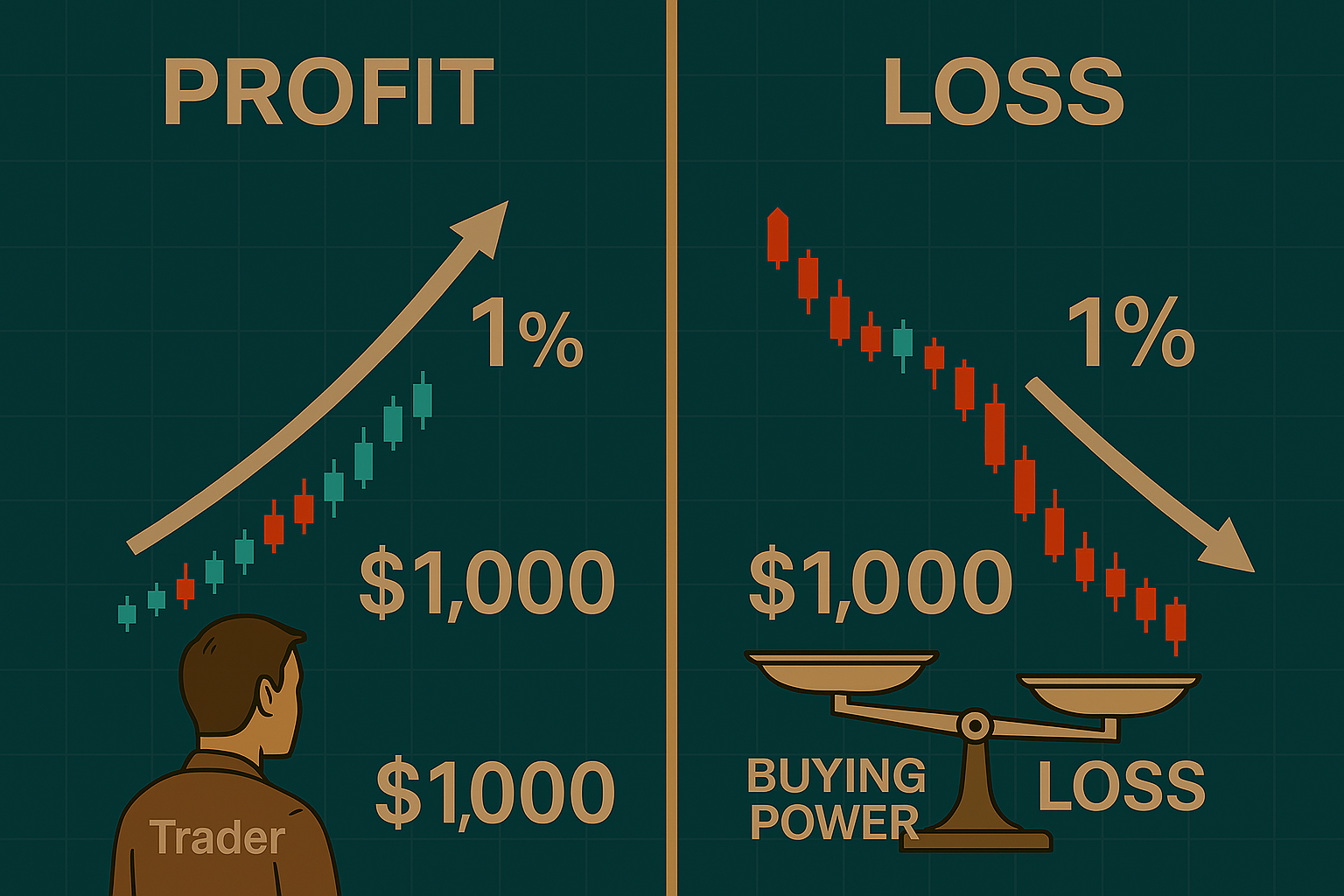
- You open a position on EUR/USD with $1,000
- Using 100:1 leverage, you control a $100,000 position
- If the market moves 1% in your favor, you earn $1,000 (a 100% return!)
- But if it moves 1% against you, you lose $1,000 (your entire account)
This is why leverage is often called a double-edged sword.
Pros of Using Leverage
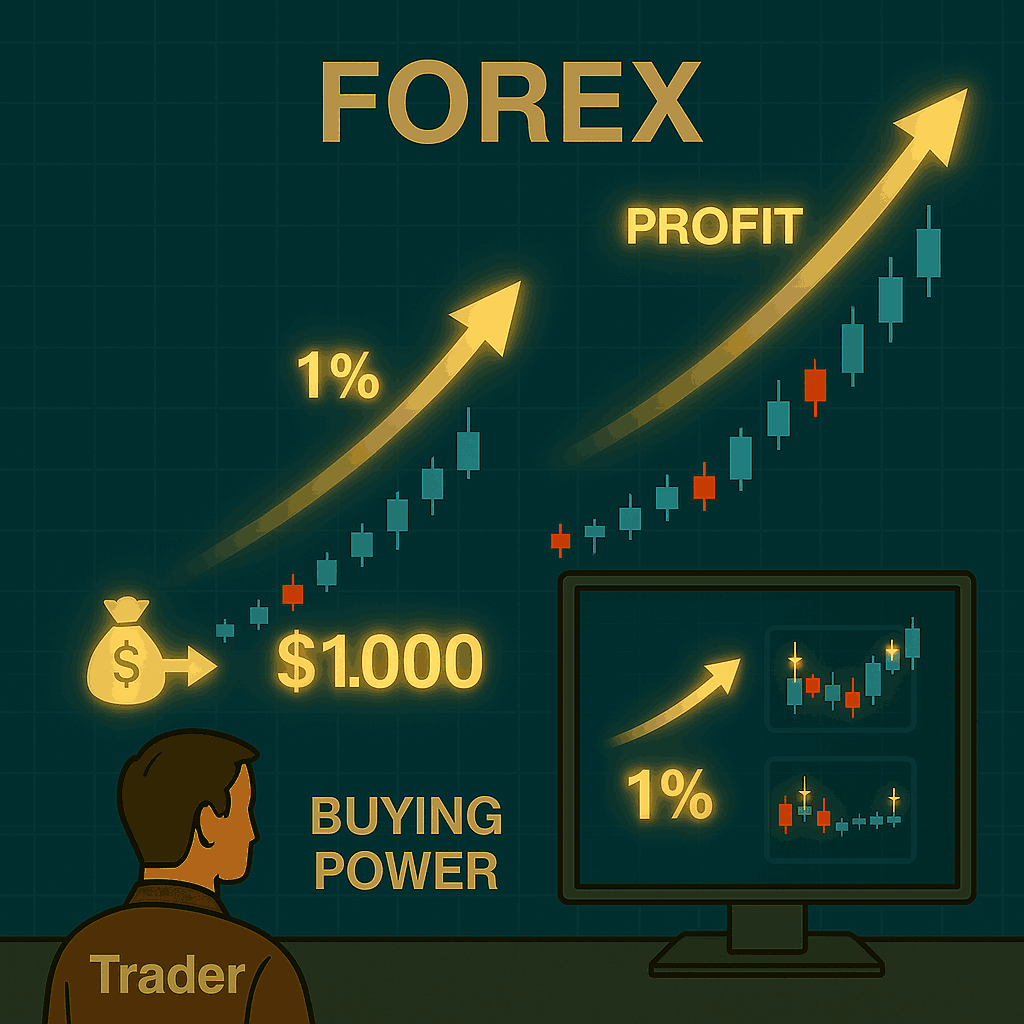
✅ Increased Profit Potential
Leverage lets you generate larger returns from smaller price movements. Ideal for short-term strategies like scalping or intraday trading.
✅ Low Capital Requirement
You don’t need a large account to start trading big positions. Even $100 can control several thousand dollars’ worth of currency. Can you start with $5,000 or less? Here’s what you need to know.
✅ Access to More Opportunities
With more buying power, traders can explore multiple setups across different currency pairs.
Pitfalls of Leverage
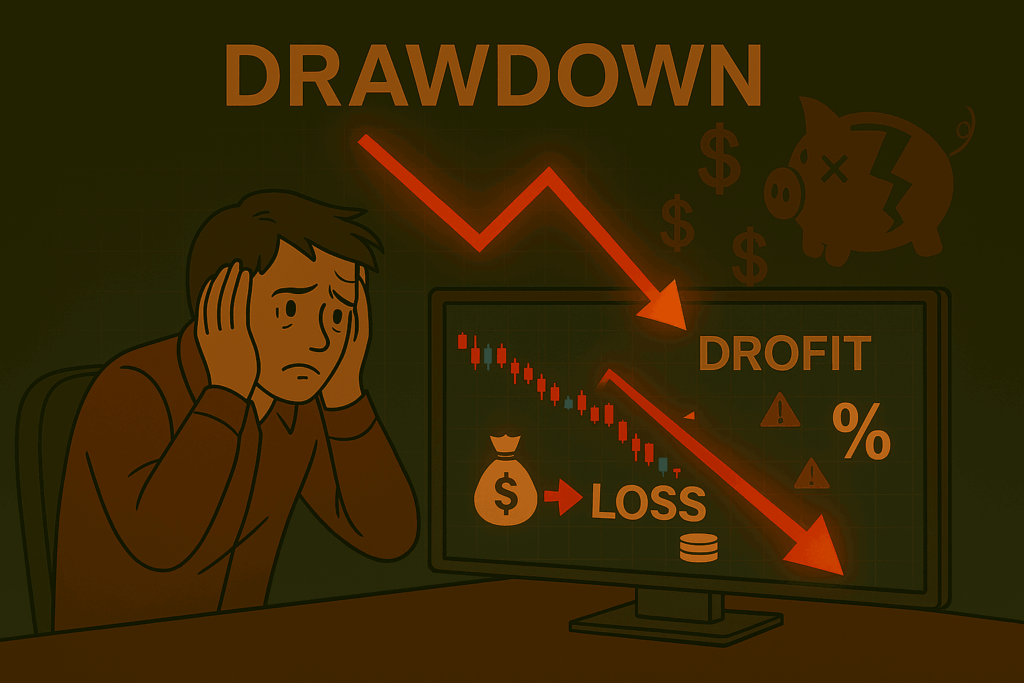
❌ Magnified Losses
Just as leverage boosts profits, it also increases the risk. A small adverse move can wipe out your account.
❌ Emotional Pressure
Bigger positions = bigger swings. This can lead to stress, emotional trading, or panic decisions. Master your emotions here.
❌ Overtrading Temptation
Leverage can trick you into thinking you have more capital than you really do, leading to reckless trading. Overtrading is a silent account killer.
⚠️ Did you know? A large percentage of retail traders lose money mainly because they misuse leverage not because their strategy was bad.
How to Use Leverage Responsibly
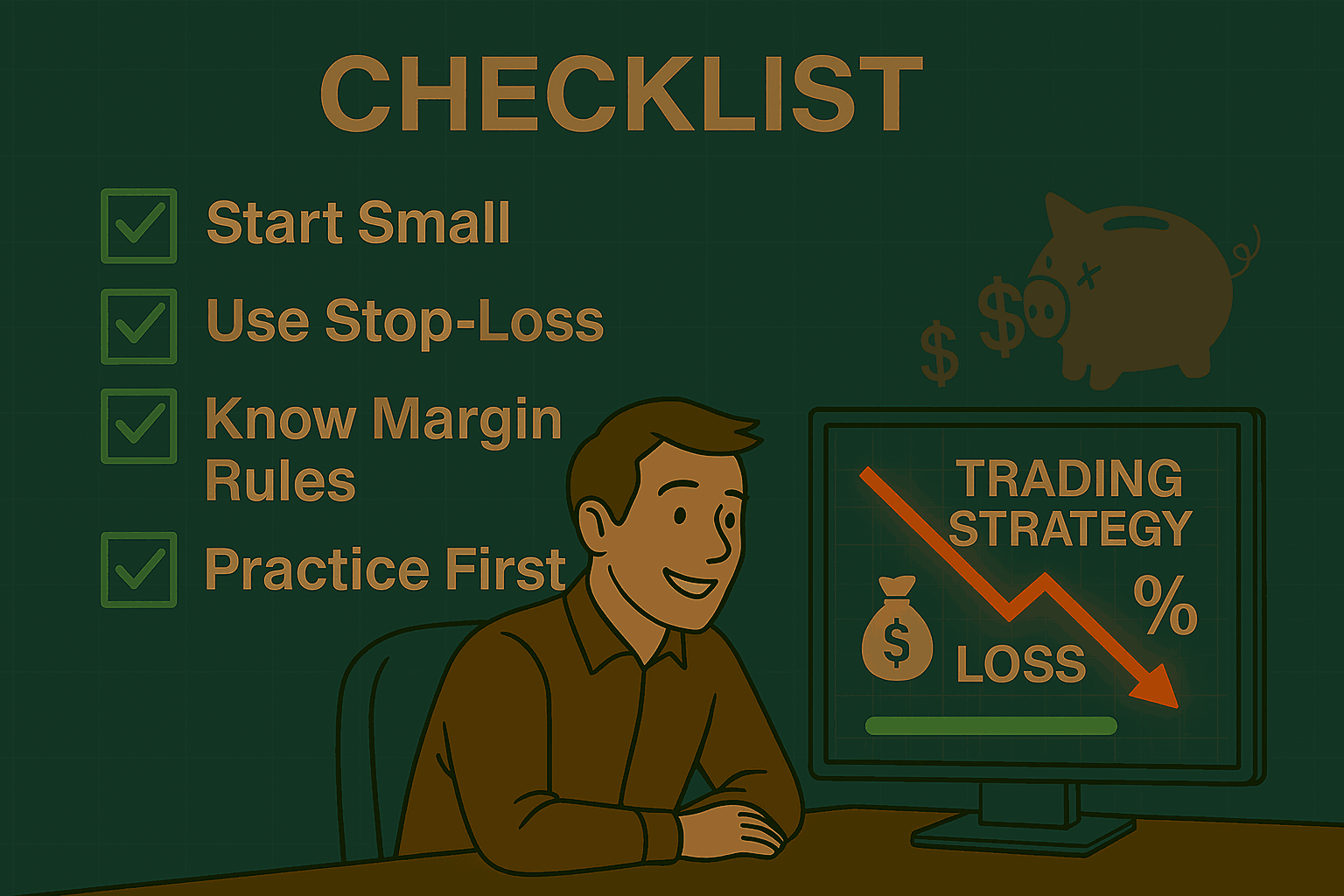
Here are some practical tips to keep leverage working in your favor:
- Start Small
Don’t go straight to 500:1. Begin with lower ratios like 10:1 or 20:1 to build experience. Use demo accounts first. - Always Use Stop-Loss Orders
This is your safety net. Learn how to set them wisely with this complete guide. - Focus on Risk Per Trade
Never risk more than 1–2% of your account on a single trade no matter how confident you are. Master the 2% rule for smart risk management. - Understand Your Broker’s Margin Policy
Each broker handles leverage and margin differently. Make sure you understand margin calls, stop-outs, and liquidation levels. - Use Demo Accounts First
Practice using leverage in a demo environment before applying it to real funds.
Common Myths About Leverage
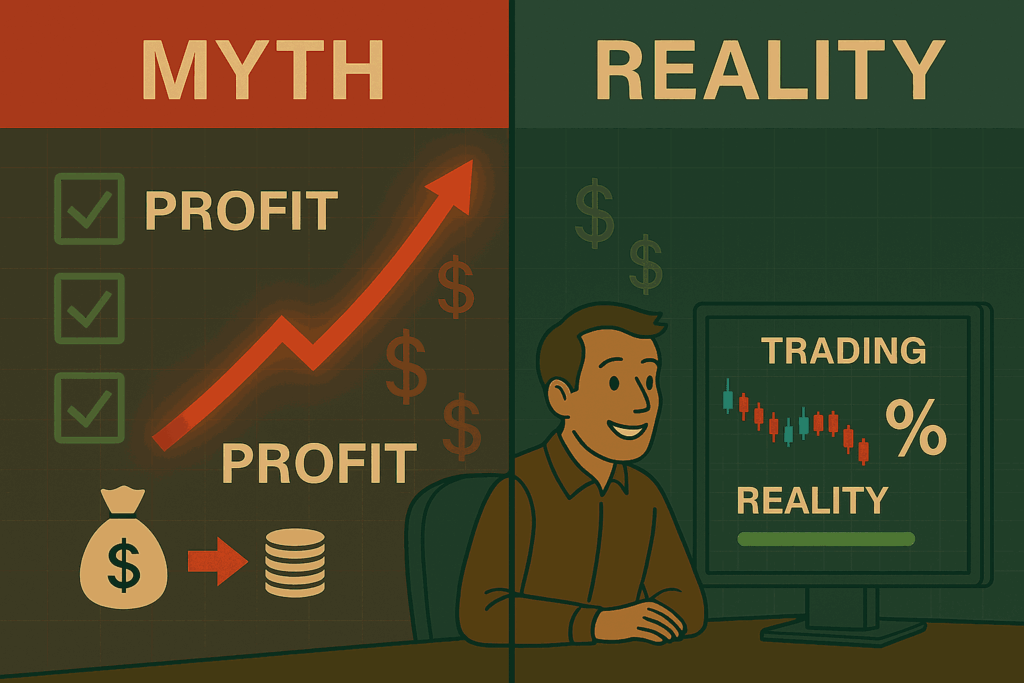
❌ Myth #1: High leverage equals high success
Truth: It increases risk, not skill. Successful traders use low leverage with high accuracy.
❌ Myth #2: Brokers push high leverage to help you win more
Truth: Many brokers profit when traders lose. High leverage increases risk and trading volume, which benefits brokers more than traders.
Final Thoughts
Leverage is a powerful tool but like all powerful tools, it requires respect. If used wisely, it can help you grow a small account and seize trading opportunities with precision. But if misused, it can just as quickly empty your account.
As a beginner, focus on mastering your strategy and risk management before increasing your leverage. In forex, survival comes before success.